When parents first hear the word "ABA," they often hear it surrounded by acronyms, statistics, and unfamiliar terms. Some leave the conversation more confused than when they came in. After two decades of practising ABA - and watching it transform the lives of children I've worked with - I want to strip away the jargon and tell you what this therapy actually is, in the same words I would use over a cup of chai.
What ABA Actually Means
Applied Behaviour Analysis is a therapy approach based on a very old idea: people, including children, repeat behaviours that lead to good outcomes and avoid behaviours that don't. ABA takes this simple principle and applies it carefully, individually, and ethically to help children learn skills they would otherwise struggle to acquire on their own.
That's it. No magic. No mystery. Just a structured way of teaching, broken down into pieces small enough for the child's brain to absorb.
What ABA Looks Like in Practice
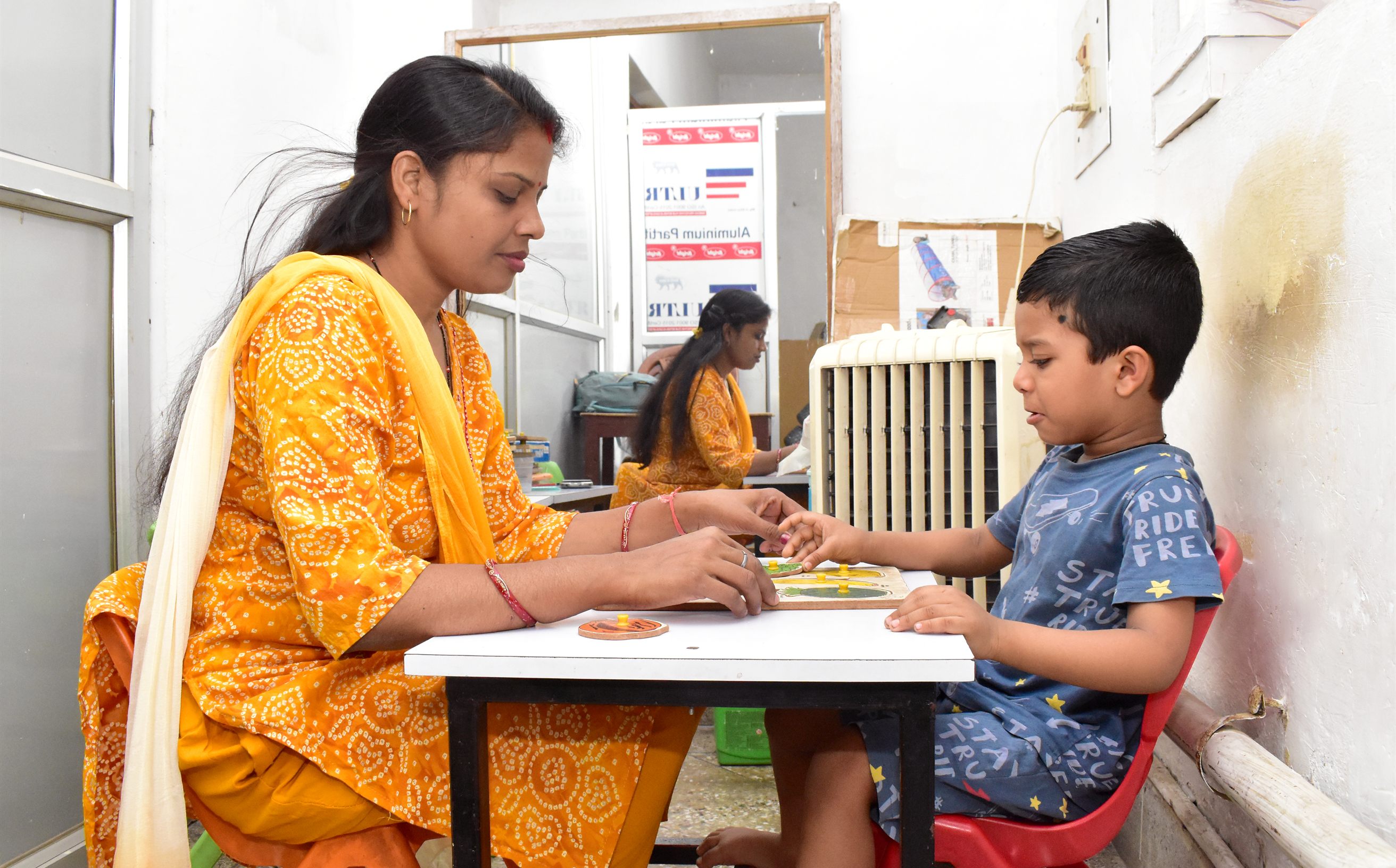
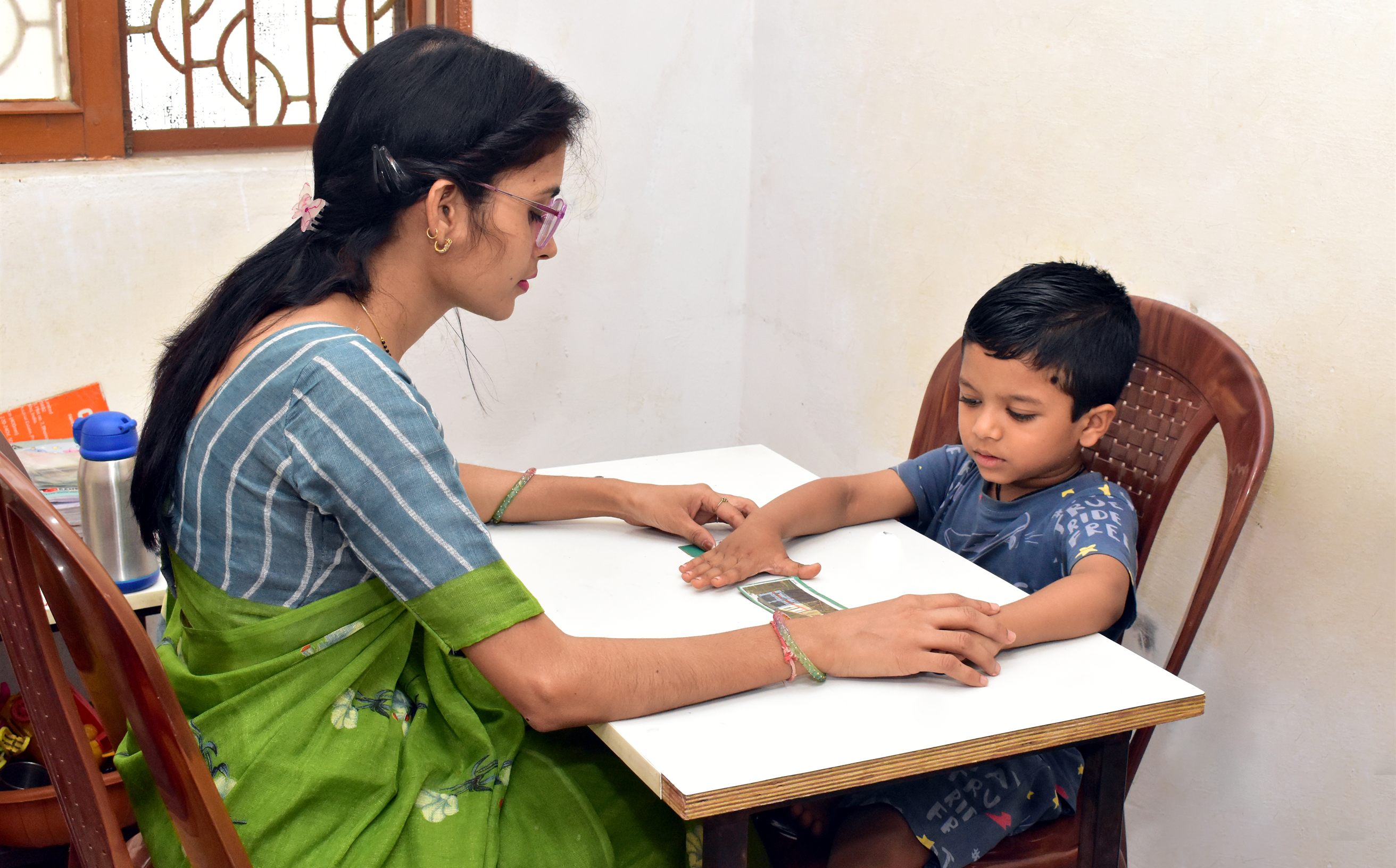
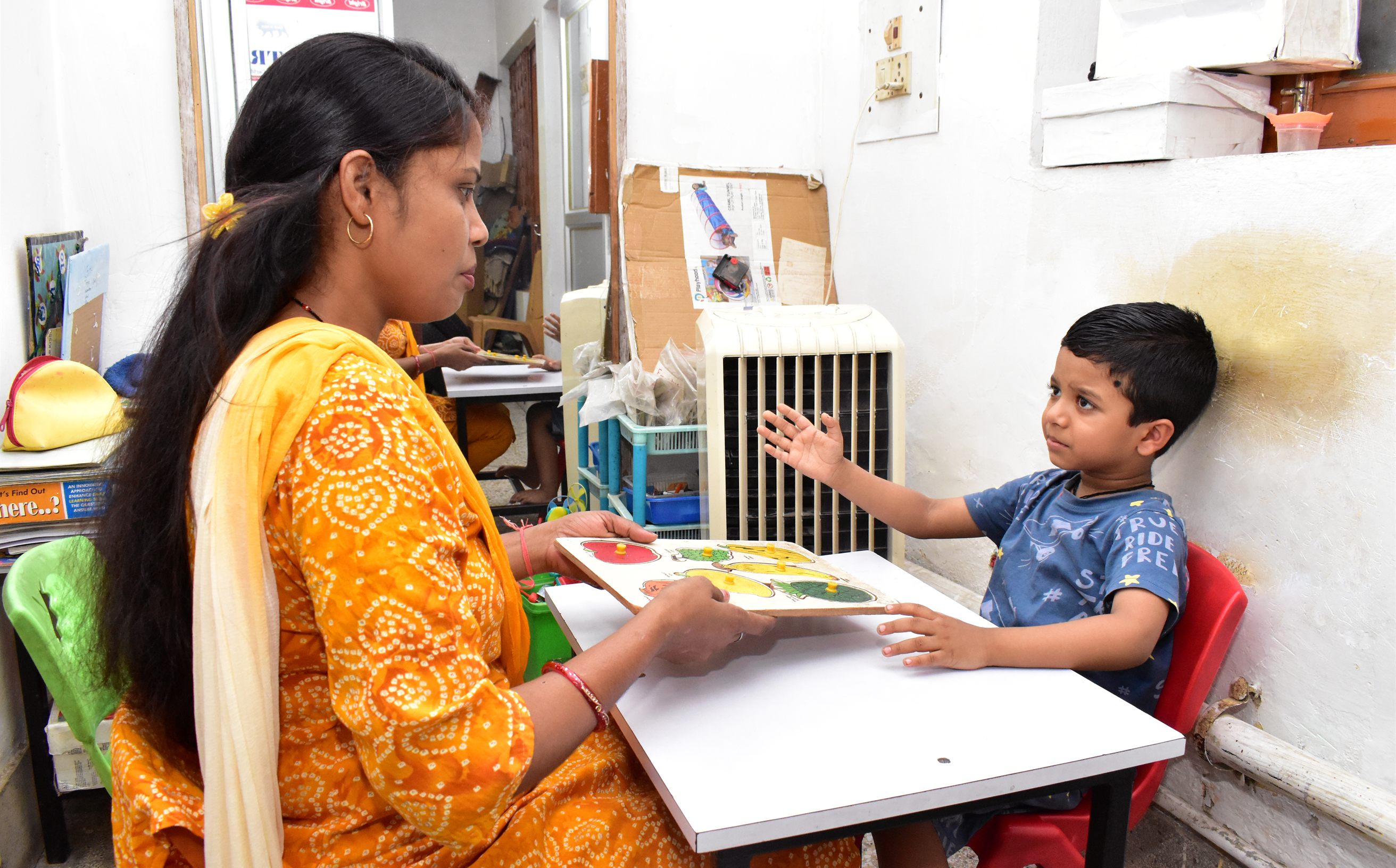
Imagine a four-year-old who cannot yet say "water" when thirsty, even though he clearly wants water. He may cry, point, pull a parent's hand, or throw the empty cup. In an ABA session, a therapist would:
- Identify what the child wants (water).
- Create a small, achievable step toward asking for it (a sound, a sign, a card with a picture).
- Prompt the child to perform that step.
- Immediately give him the water - making the connection between the request and the result clear and rewarding.
- Slowly fade the prompt over many trials, until the child can ask independently.
This is the entire essence of modern ABA: meaningful skill, broken into doable pieces, taught with patience and reinforcement, generalised into daily life.
What Modern ABA Is Not
I need to address this honestly because it matters. The history of ABA includes practices that today's ethical practitioners reject. Older models sometimes used punishment, demanded long hours of repetitive drills, and ignored the emotional state of the child. Some adult autistic self-advocates, with very good reason, have spoken about this past with pain.
Modern, ethical ABA is fundamentally different. At ArambH, and at any reputable centre I would refer a friend to, ABA today looks like this:
- Play-based and child-led. Sessions follow the child's interests. We use Lego, vehicles, music, art - whatever genuinely motivates this particular child.
- Reinforcement, not punishment. Children are rewarded for effort and progress. Mistakes are simply teaching moments, not failures.
- Individualised. No two ABA programmes look the same because no two children are the same.
- Family-integrated. Parents are partners. We coach, train, and adjust together.
- Outcome-focused. We measure progress in real-life skills - saying "more," eating with a spoon, sitting at school - not in abstract drills.
What ABA Can Help With
ABA has the strongest evidence base of any autism intervention, with decades of research behind it. It can support:
- Communication: requesting, labelling, conversation skills, alternative communication systems for non-speaking children.
- Daily living: dressing, brushing teeth, toileting, eating a wider variety of foods.
- Social skills: taking turns, joining play, recognising emotions.
- Behaviour challenges: reducing self-injury, aggression, or severe meltdowns by understanding what they're communicating.
- School readiness: sitting, attending, following instructions, transitioning between tasks.
How a Programme Is Designed
A good ABA programme begins with a thorough assessment - usually a tool like the VB-MAPP or ABLLS-R for younger children. This identifies what the child can already do, what's emerging, and what the gaps are. From this, we build an individualised plan with specific, measurable goals.
For most children, sessions run between 10 and 25 hours per week, depending on the child's age, needs, and family circumstances. We are honest with parents: more hours can mean faster progress for younger children, but quality matters far more than quantity. A skilled, kind therapist working ten focused hours will achieve more than an exhausted one working twenty-five.
Common Concerns - Addressed Honestly
"Will my child become robotic or lose their personality?" No. A well-run ABA programme strengthens a child's natural ways of expressing themselves and adds new tools alongside. We don't replace your child's spirit. We expand their options.
"Is ABA only for severely affected children?" No. ABA principles benefit children across the autism spectrum. The intensity, structure, and goals are simply matched to the child.
"Will my child be made to do something they don't want?" Discomfort during learning is normal - it is for any child learning anything new. Distress is not. If a child is consistently distressed, the programme is wrong, not the child. A good therapist always adjusts.
"How will I know if it's working?" Data. Every reputable ABA programme tracks specific behaviours session by session, week by week. You should see graphs, not just reassurances. Progress should be visible.
Choosing the Right Provider
If you are considering ABA for your child, here is what I would tell my closest friend to ask:
- Are sessions supervised by a Board Certified Behavior Analyst (BCBA) or an equivalently qualified senior clinician?
- Is the programme written down - with specific goals, methods, and timelines you can read?
- Are parents trained and involved, not just kept in the waiting area?
- How is data collected and shared with you?
- How does the team handle a child's "no"? (The answer should not be "we keep going.")
- Are play, joy, and the child's interests visibly part of the sessions?
If a centre cannot answer these clearly, keep looking. Your child deserves a programme run with both rigour and love.
A Final Thought
ABA is a tool. Like any tool, its value depends on the hands holding it. In skilled, compassionate hands, with parents as full partners and the child's wellbeing at the centre of every decision, ABA can open doors that families thought might stay closed forever.
I have watched non-speaking five-year-olds learn to ask for what they need. I have watched anxious children eat their first new food. I have watched mothers cry the first time their child said "Mumma" without prompting. None of this is magic. All of it is patient, individualised, evidence-based work - done by people who care.
If you have questions about whether ABA might be right for your child, please reach out. We are happy to talk before any commitment, just to help you think clearly.
Worried about your child's development?
Book a free 30-minute consultation with our specialists. No obligation - just a warm, honest conversation about your child's needs.
Book Free Consultation
Pooja Gupta
Pooja Gupta founded ArambH Autism Centre in 2019 after years of working with children with autism - and after raising one of her own. She is a certified behaviour analyst with over twenty years of clinical and personal experience.