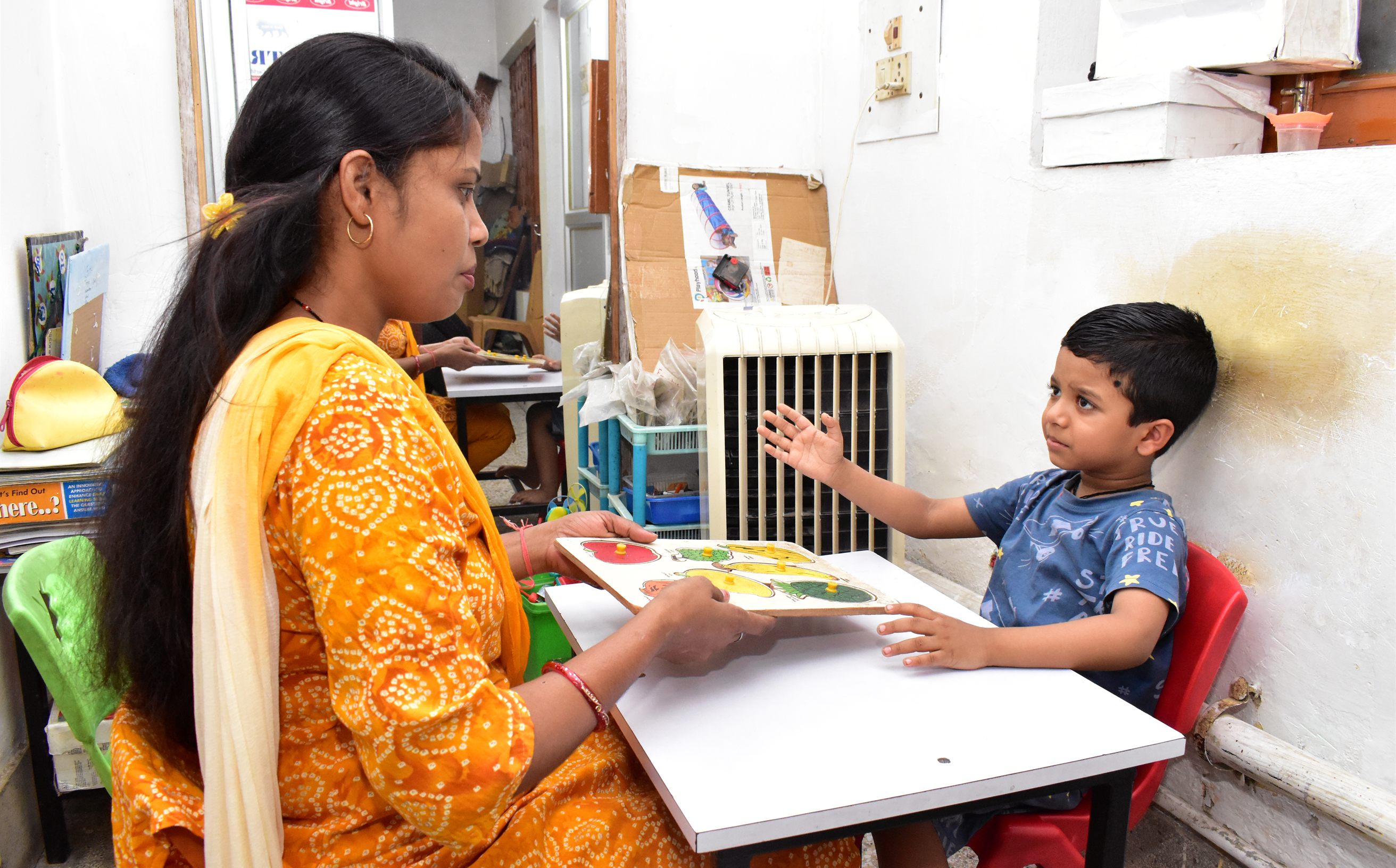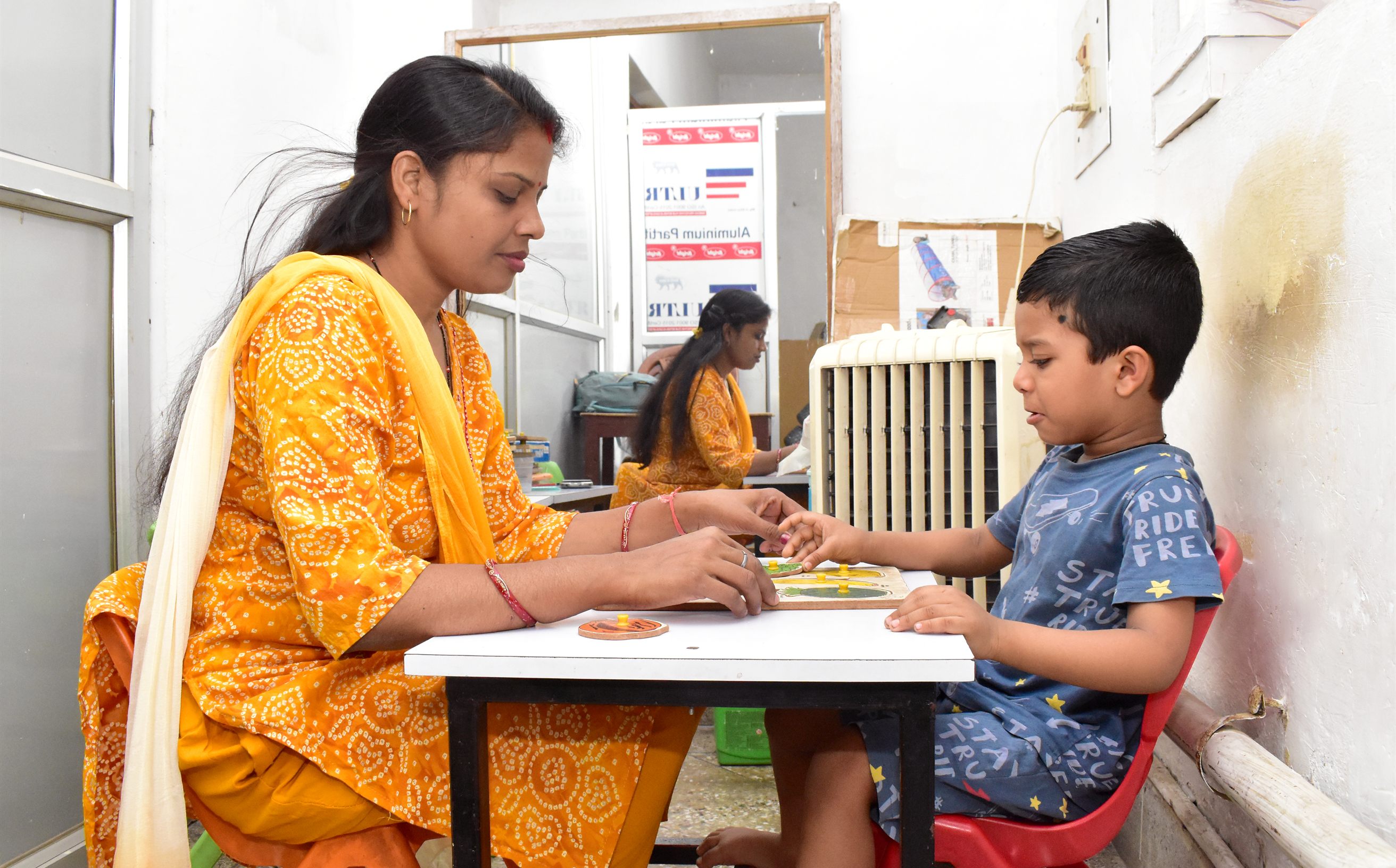
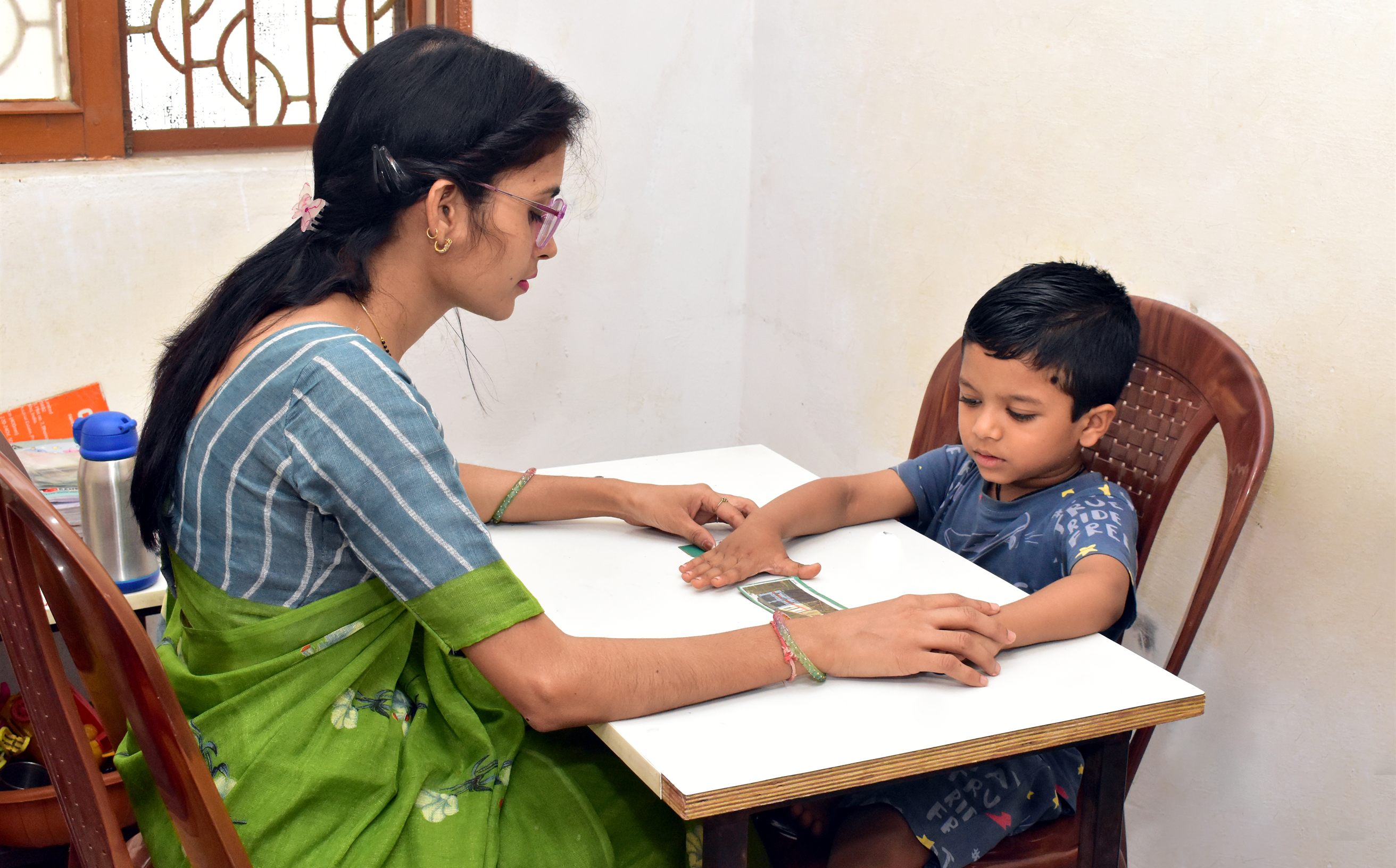
A mother once said to me, with tears in her eyes, "I just want to know what he is thinking." Her son was four, autistic, and had no spoken words. What she didn't know yet was that he was already communicating with her - in dozens of small ways she had not yet learned to read. After two decades of working with non-verbal children, I can promise you this: communication is never absent. It is sometimes only unrecognised.
Reframing What "Communication" Means
The first thing I ask parents to do is gently let go of the idea that communication equals speech. It doesn't. Speech is one channel. Communication includes gestures, facial expressions, eye gaze, body movement, picture pointing, signing, typing, and vocal sounds. A child who pulls you toward the fridge is communicating. A child who screams when the routine changes is communicating. A child who hands you their cup is communicating.
Our job as parents and therapists is not to wait for words. It is to honour every form of communication a child currently uses, build on it, and slowly add more channels. The words may come later. They may come differently. But communication itself - connection - is always available.
Strategy 1: Become a Detective of Your Child's Current Communication
For one week, watch your child like a researcher with a notebook. Write down every behaviour that seems to be sending a message and note what happened just before and after.
- "Pulled my hand to the door" → wanted to go outside.
- "Threw the plate" → was full, didn't want more food.
- "Ran to the window" → heard the autorickshaw return, was excited.
- "Cried at the temple" → too loud, sensory overload.
This single exercise often transforms how parents see their child. Behaviours that looked random suddenly look meaningful. Once you can read the current communication, you can respond consistently - and your child learns that their messages are received. That is the foundation of all communication.
Strategy 2: Talk Less, Wait More
Counter-intuitive but powerful. Many parents speak almost constantly to their non-verbal child, hoping repetition will trigger words. In practice, this often overloads the child and leaves no space for them to initiate.
Try this:
- Use short phrases: "Want milk?" instead of "Beta, do you want some milk now? Should I warm it for you?"
- Pause for at least 8-10 seconds after asking or showing something. Children with autism often take longer to process language and form a response.
- Match your child's level. If they use single sounds, model single words. If they use single words, model two-word phrases.
- Comment more, question less. Instead of "What is this?" say "Big red ball." Pressure-free language is easier to absorb.
Strategy 3: Create Communication Opportunities, Don't Just Wait for Them
Many non-verbal children have no need to communicate because everything is anticipated. Parents see them looking at the biscuit jar and immediately fetch a biscuit. This kindness, repeated all day, removes the need for the child to ever request.
Gentle, loving sabotage helps:
- Put favourite items in clear jars the child cannot open. They must come to you.
- Offer choices visibly: hold up apple in one hand, banana in the other, and wait.
- "Forget" steps in routines. Hand over a bowl with no spoon. Pour juice into a closed bottle. See what happens.
- Pause favourite activities mid-flow. Stop the swing, count "1, 2, 3..." and wait for any signal - a sound, a look, a gesture - before continuing.
Done playfully and without frustration, these moments give the child reason to communicate with you. Every reason creates a new opportunity to grow.
Strategy 4: Introduce Visuals - Pictures Are a First Language
Many non-verbal children find pictures and symbols easier to process than spoken words because pictures stay still, while spoken words disappear the moment they are said. Visual support is not "giving up on speech." It is building a bridge to it.
You can start at home with no special training:
- A choice board: two or three pictures of preferred items the child can point to.
- A visual schedule: simple pictures showing the day's main activities - breakfast, school, lunch, nap, play, dinner.
- A "first-then" board: "First brush teeth, then watch cartoon." A simple two-step visual reduces resistance dramatically.
- Photo communication: photos of family members, foods, toys, places, that the child can hand you to make a request.
For children who develop strong skills with pictures, more structured systems like PECS (Picture Exchange Communication System) or AAC apps on tablets can open up entire vocabularies. Children using AAC are often more likely to develop speech, not less - because they have a way to participate while their speech catches up.
Strategy 5: Follow the Child's Lead - Always
This is the strategy I would put first if I had to pick only one. Children communicate most when they care about what is happening. They care most when the activity is something they chose.
So get on the floor with your child. Whatever they are doing - lining up cars, watching a fan, flipping the same picture book - sit beside them, do it with them, and narrate gently. "Car... car... red car... fast car... uphar gaya car..." You are not interrupting. You are joining their world. And once you are inside their world, communication can travel both directions.
Never punish a stim. Never force eye contact. Never withhold a desired item to demand a word. These approaches damage trust, and trust is the soil in which all communication grows.
What About Speech Itself?
Some children develop spoken language with time and support. Others develop functional communication primarily through alternative means - and live full, expressive lives that way. Both outcomes are successes when the child can communicate their needs, feelings, and ideas.
If your child is non-verbal at 2, 3, or 4, please don't despair. I have worked with children who said their first word at 5, 6, even 8 years old. I have also worked with brilliant young adults who type or sign and communicate beautifully. Every one of them deserves the same patient, hopeful support.
When to Seek Professional Help
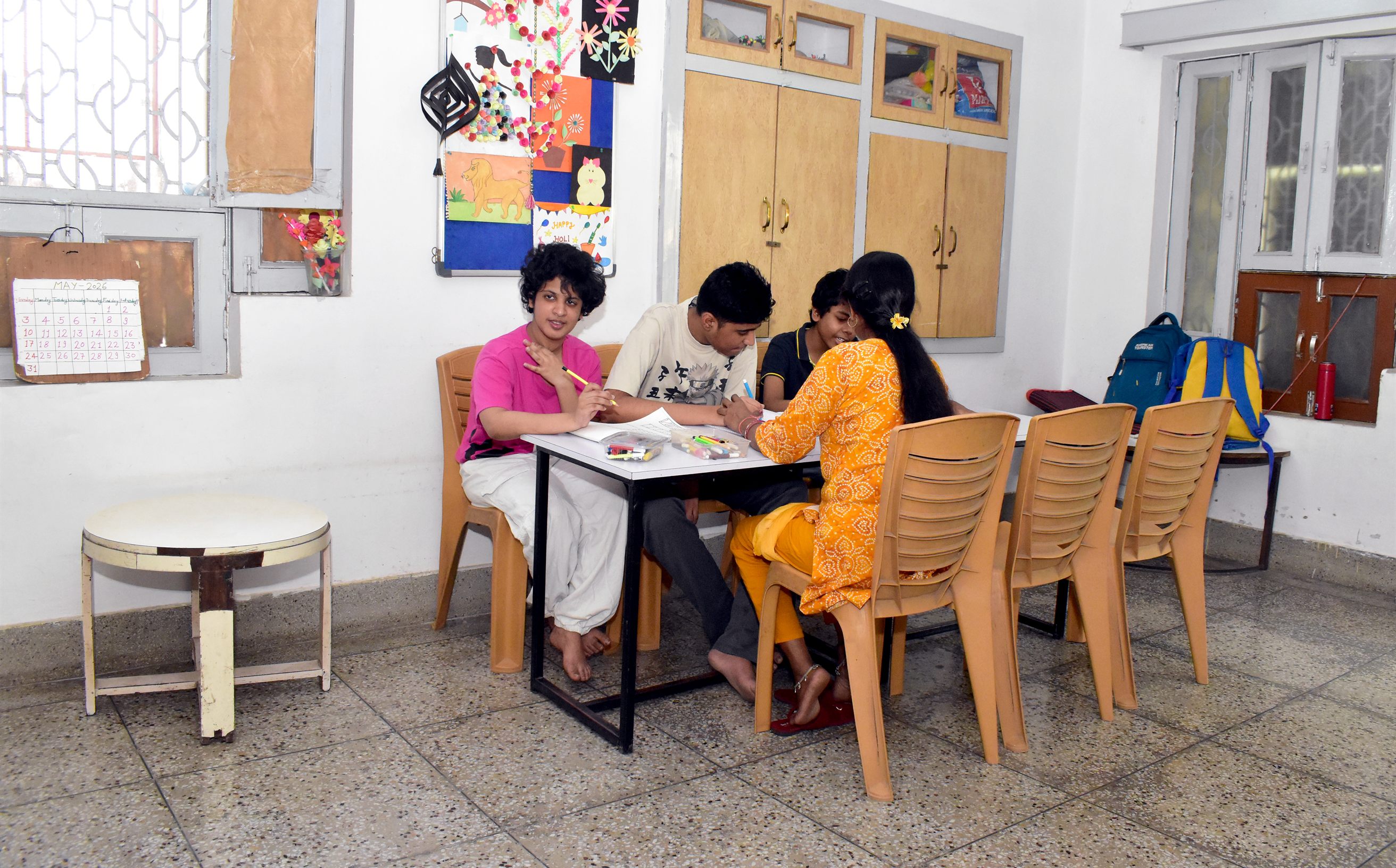
If your child is over 18 months and not yet using gestures, single words, or social babbling, an evaluation is worthwhile. A speech-language pathologist with autism experience can assess the child's current communication, identify the most natural next steps, and coach you in techniques. At ArambH, we work as a team - speech, OT, behaviour - because communication is rarely a single-discipline issue.
One Last Thing
Your child is listening. Your child is watching. Your child is loving you, even when they cannot say the words. Twenty years in, this is the truth I most want every parent to carry. The connection is already there. We just help build the channels.
Worried about your child's development?
Book a free 30-minute consultation with our specialists. No obligation - just a warm, honest conversation about your child's needs.
Book Free Consultation
Ritu Verma
Ritu has worked with non-speaking and minimally verbal children for over twenty years. She is passionate about the truth that communication is far bigger than speech - and that every child has something to say.