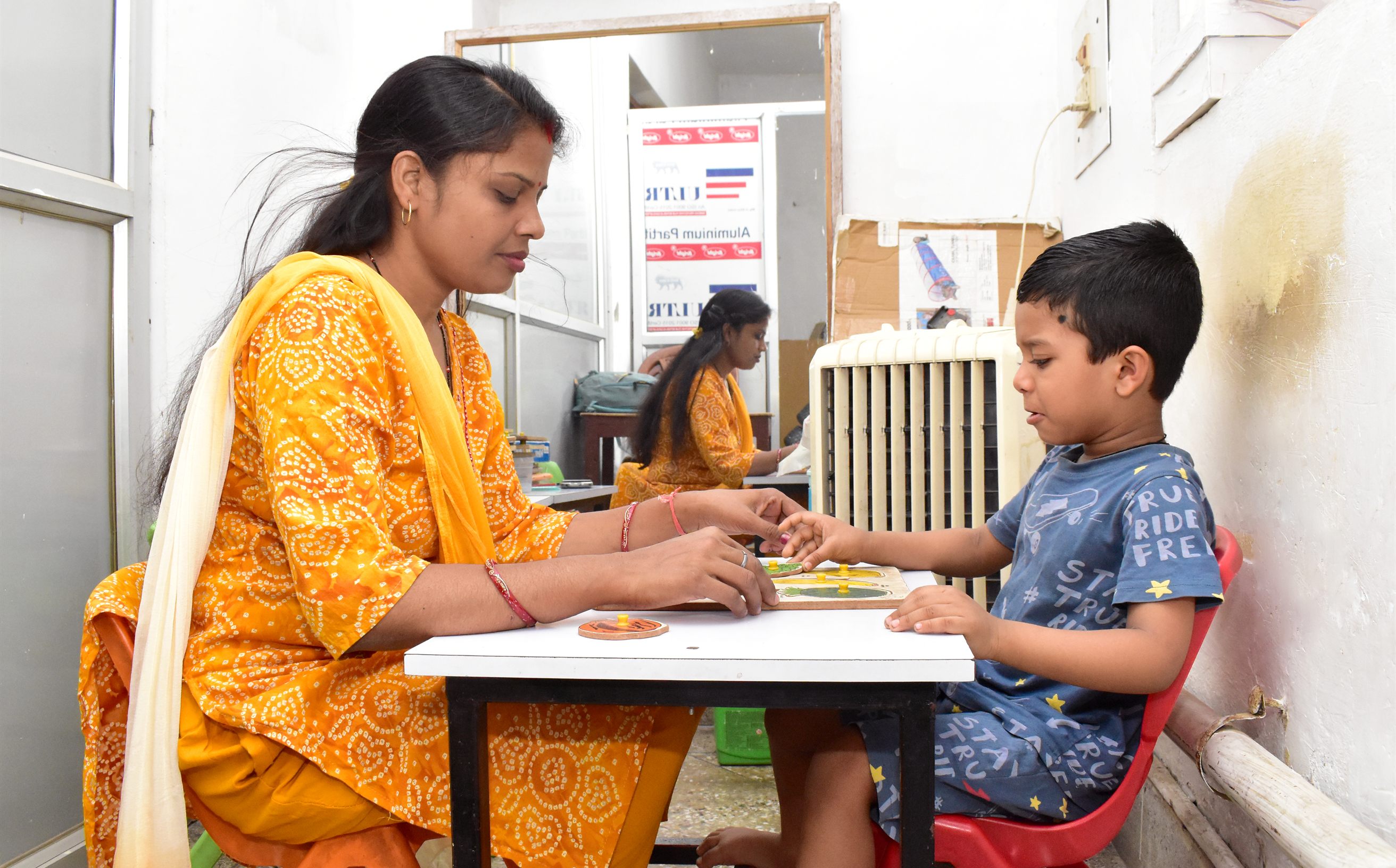
Most parents don't arrive at our centre with a question. They arrive with a feeling - that quiet, persistent sense that something is different about their child. After more than twenty years of sitting across from worried mothers and fathers in Varanasi, I can tell you this: that instinct is almost always worth listening to. Not because every difference means autism, but because early observation, followed by gentle action, is one of the most powerful things you can do for your child.
Why "Early" Really Does Matter
The first three years of life shape the brain at a pace it will never match again. Neural connections form, prune, and strengthen based on what a child experiences. When autism is identified early - ideally between 18 and 36 months - therapy can begin while this remarkable window is still open. Children who start structured early intervention before age three often show measurable gains in communication, behaviour, and social skills, sometimes catching up to their peers in significant ways.
This is not about labelling your child. It is about giving them the support they need while their brain is most ready to receive it. Jaldi pata chal jaaye toh jaldi madad mil sakti hai.
Signs to Watch For Between 6 and 12 Months
In the first year, autism signs are subtle. Most parents notice them only in hindsight. Here are the most common early markers:
- Limited eye contact: Your baby doesn't look at you while feeding, or rarely meets your eyes when you smile at them.
- Few social smiles: By 6 months, most babies smile back when smiled at. A delay or absence of this back-and-forth can be a quiet flag.
- Reduced response to name: By 9 months, babies typically turn when their name is called. If your child doesn't respond consistently - even when their hearing is fine - take note.
- Limited babbling or cooing: Most babies are vocally active by 6-9 months. A very quiet baby is not always autistic, but it is worth watching.
- No pointing or gestures: Around 9-12 months, babies begin to point at things they want or find interesting. The absence of this shared attention is one of the most reliable early signs.
Signs Between 12 and 24 Months
This is when many families begin to feel certain that something is different. The signs become clearer because language and social engagement should be visibly developing.
- No words by 16 months - or a regression where words once used are no longer used.
- No two-word phrases by 24 months (for example, "more milk" or "go park").
- Doesn't respond to their name consistently, even when fully alert.
- Unusual play patterns: lining up toys repeatedly, spinning wheels of cars rather than rolling them, becoming distressed if a sequence is disturbed.
- Repetitive movements: hand flapping, rocking, spinning, walking on toes.
- Strong reactions to sounds, textures, lights, or smells - covering ears, refusing certain clothes or foods, distress in crowded places.
- Limited interest in other children; preferring solitary play even when peers are nearby.
Signs Between 2 and 4 Years
Many of our families in Varanasi first reach out during this window. The school admission process, comparisons with cousins at family functions, and a teacher's gentle remark - these are often the moments that prompt parents to act.
- Difficulty understanding or using language for social conversation, even if vocabulary exists.
- Echolalia - repeating words or phrases (often from cartoons or earlier sentences) instead of generating original speech.
- Trouble with pretend play; preferring repetitive, predictable activities.
- Becoming intensely upset by small changes in routine - a different route home, a new shampoo, a missing toy.
- Narrow, intense interests that dominate play (one specific cartoon, one type of vehicle, one set of letters or numbers).
- Difficulty with social cues - not understanding when another child is upset, or not responding to a peer's invitation to play.
What These Signs Are Not
Before parents panic, please read this carefully. Many of these behaviours appear in typically developing children too. A toddler who lines up cars is not necessarily autistic. A child who is shy with strangers is not necessarily autistic. A late talker is not necessarily autistic.
The pattern that matters is multiple signs across multiple areas - communication, social interaction, and behaviour - that persist over time and impact daily life. One sign on its own is rarely meaningful. A constellation is.
And critically: autism is not caused by screen time, vaccines, "too much pampering," or parenting style. These are myths I have spent twenty years dismantling in family counselling rooms. Autism is a neurodevelopmental condition. The brain develops differently from before birth.
The "Wait and Watch" Trap
In Indian families, well-meaning relatives often say, "Ladke late bolte hain" or "Mera beta bhi 4 saal mein bola tha." This advice, however affectionate, can cost your child months of valuable intervention time.
Here is the rule I share with every parent: if you are concerned enough to search the internet at 2 a.m., you are concerned enough to seek a professional opinion. Assessment is not commitment. It is information. And information is what allows you to decide the next step from a place of knowledge rather than worry.
What to Do If You Notice These Signs
Take a breath. You are not alone, and you are doing the right thing by reading this.
- Document what you see. Note the specific behaviours, when they happen, and how often. A short journal over two to three weeks gives a clinician far more useful information than memory alone.
- Rule out hearing issues first. Many speech delays are explained by undetected hearing problems. A simple BERA or audiometry test can settle this question early.
- Speak with your paediatrician. Ask specifically for a developmental screening - tools like the M-CHAT-R are quick and validated for toddlers.
- Seek a formal assessment. If the screening raises concerns, the next step is a comprehensive evaluation by a child psychologist, developmental paediatrician, or a multidisciplinary team. At ArambH, our assessments include observation, parent interview, and standardised tools - usually completed within two visits.
- Don't wait for the "perfect" time. Holidays, family functions, school exams - there will always be something. The best time to start is now.
What Happens After Diagnosis
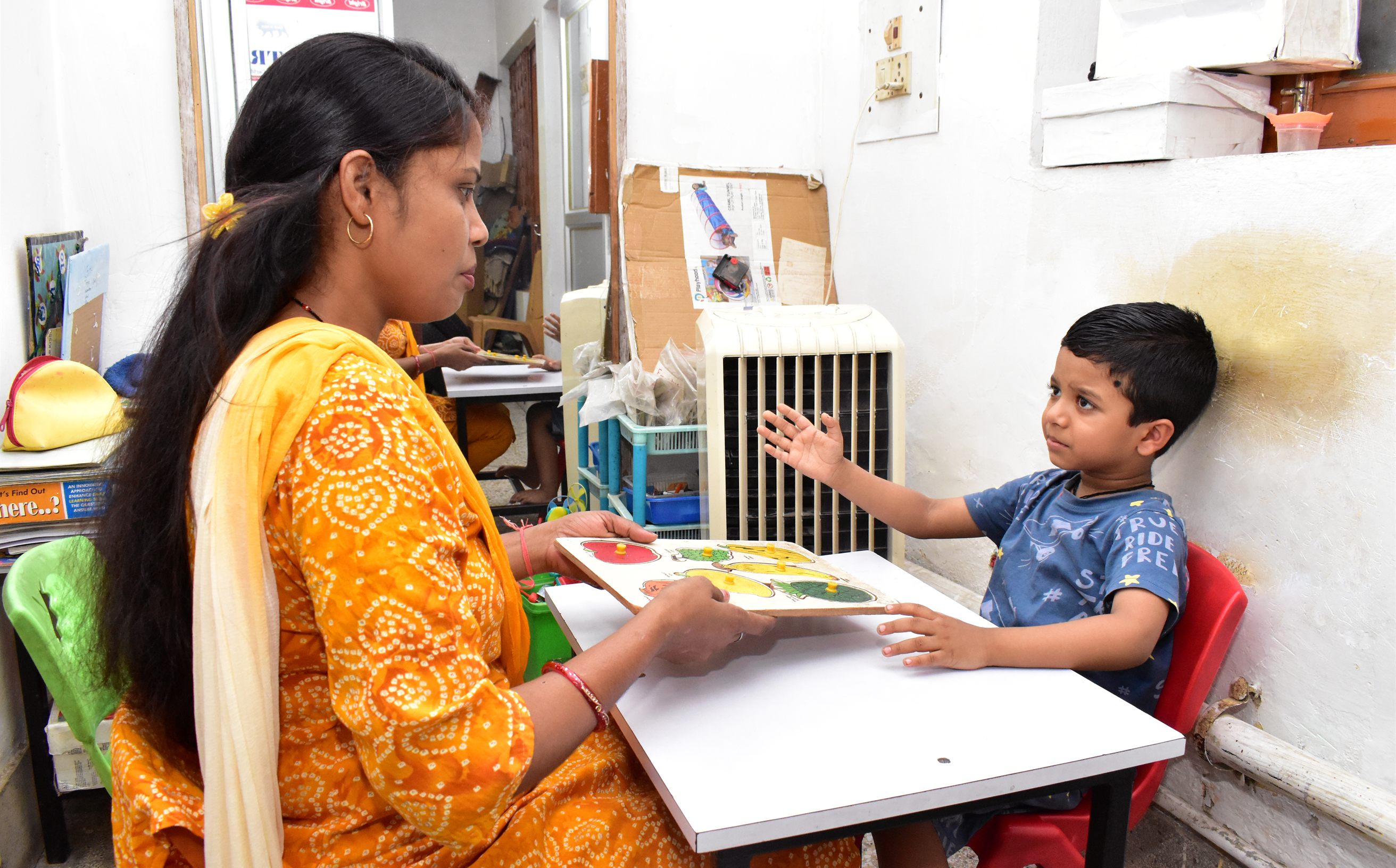
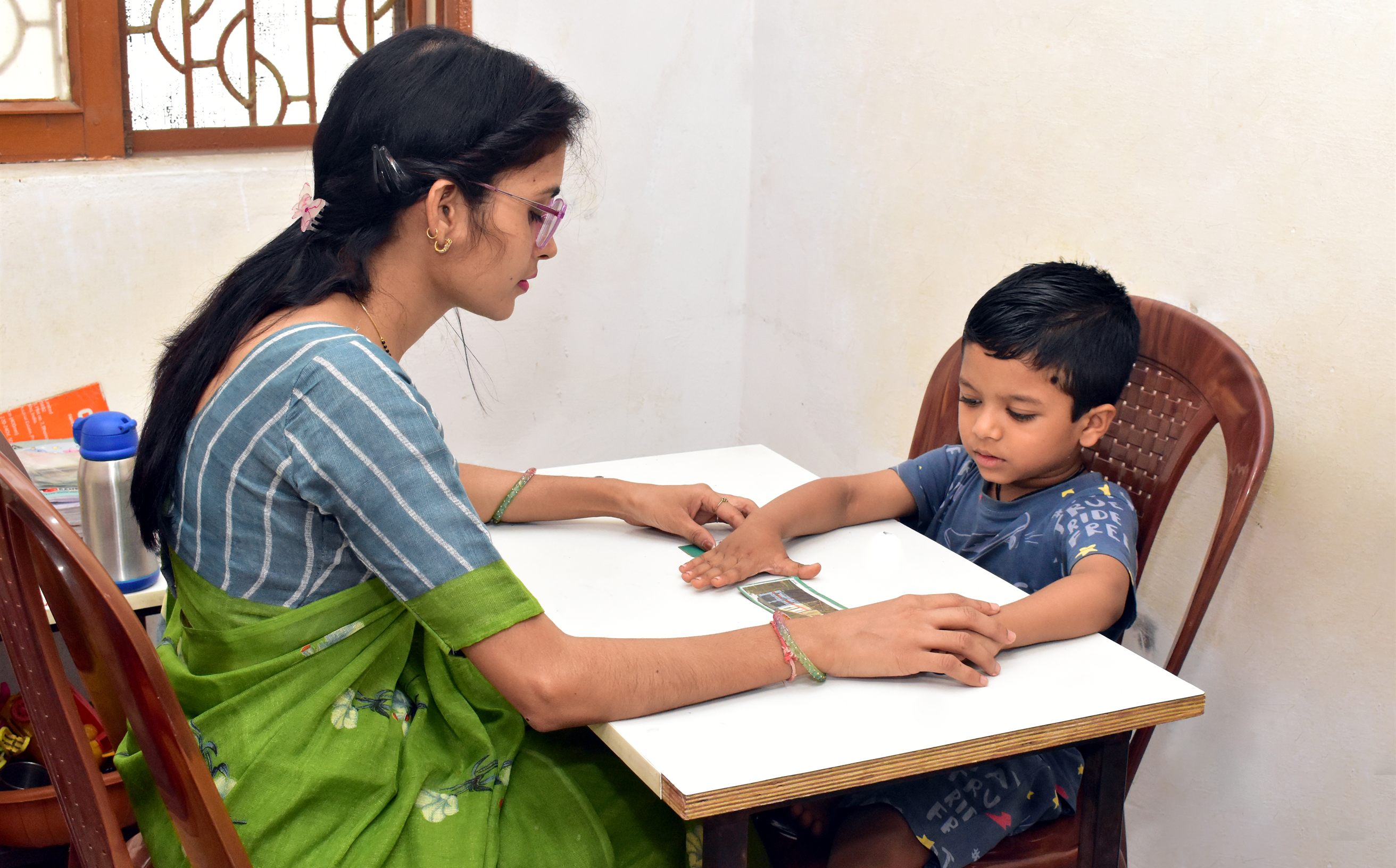
If autism is confirmed, the next steps are practical, not frightening. A typical early intervention plan in our centre includes a combination of speech therapy, occupational therapy for sensory and motor needs, and structured behavioural therapy (often ABA-based) - all woven into a play-based environment that respects your child's pace.
Equally important: parent coaching. The therapy that happens at home, in the everyday moments of brushing teeth, eating dinner, getting dressed, is often the most powerful. We don't replace you. We equip you.
A Word for the Worried Parent Reading This Tonight
If you have read this far, chances are you have a child you love deeply, and a quiet worry that has brought you here. I want you to know two things.
First, your concern is not paranoia. Trust it. Take the next small step - a paediatrician visit, a screening, a phone call to a centre. Each step gives you more clarity, not more burden.
Second, autism is not a tragedy. It is a different way of experiencing the world. With the right support, autistic children grow into autistic adults who learn, work, love, and contribute. Many of the families I have walked beside since 2019 will tell you the same thing: the early years felt heavy, but the journey held more joy than they expected.
Whatever you decide to do next, do it with kindness - to your child, and to yourself.
Worried about your child's development?
Book a free 30-minute consultation with our specialists. No obligation - just a warm, honest conversation about your child's needs.
Book Free Consultation
Dr. Anjali Sharma
Dr. Sharma has spent over two decades in paediatric mental health, supporting families across North India through autism assessment and early intervention. She believes early clarity is the kindest gift a parent can give their child.