Of every milestone in an autistic child's journey, school transition is among the most charged for parents. Decades of advice from elders, fears about acceptance, the practical question of admission, the imagined corridor full of unfamiliar children - all of it sits on top of the parent's heart at once. After more than twenty years of guiding families through this exact season, including walking my own son through it, I want to share what actually works.
Start Earlier Than You Think
The single most common mistake parents make is preparing for school in the month before school starts. By then it is too late for anything but stress. School readiness, for an autistic child, is best treated as a six-to-twelve month project. The good news is that most of the work is small, daily, and woven into things you already do.
If your child will start school in June, your work begins in November. If your child has already started and is struggling, the same steps still apply - just begin today.
Step 1: Define What "Ready" Means for Your Child
School readiness is not about reading or writing. It is about the foundational skills a child needs to participate in a classroom environment. These typically include:
- Sitting on a chair for 5-15 minutes at a time.
- Following one or two-step instructions in a group setting.
- Tolerating other children nearby (not necessarily playing with them yet).
- Communicating basic needs - toilet, water, hunger, pain - through any means (words, signs, pictures).
- Managing sensory input from a busy environment for short periods.
- Separating from parents without overwhelming distress.
- Some independence in eating, drinking, and toilet use.
- Recognising their own name and basic belongings.
Pick three or four of these to focus on first, based on what your child is already close to mastering. Stack small wins, not impossible expectations.
Step 2: Build "School Hours" Into Daily Life
Most autistic children find school disorienting because the rhythm is so different from home. You can soften the transition months in advance by mimicking parts of the school day at home.
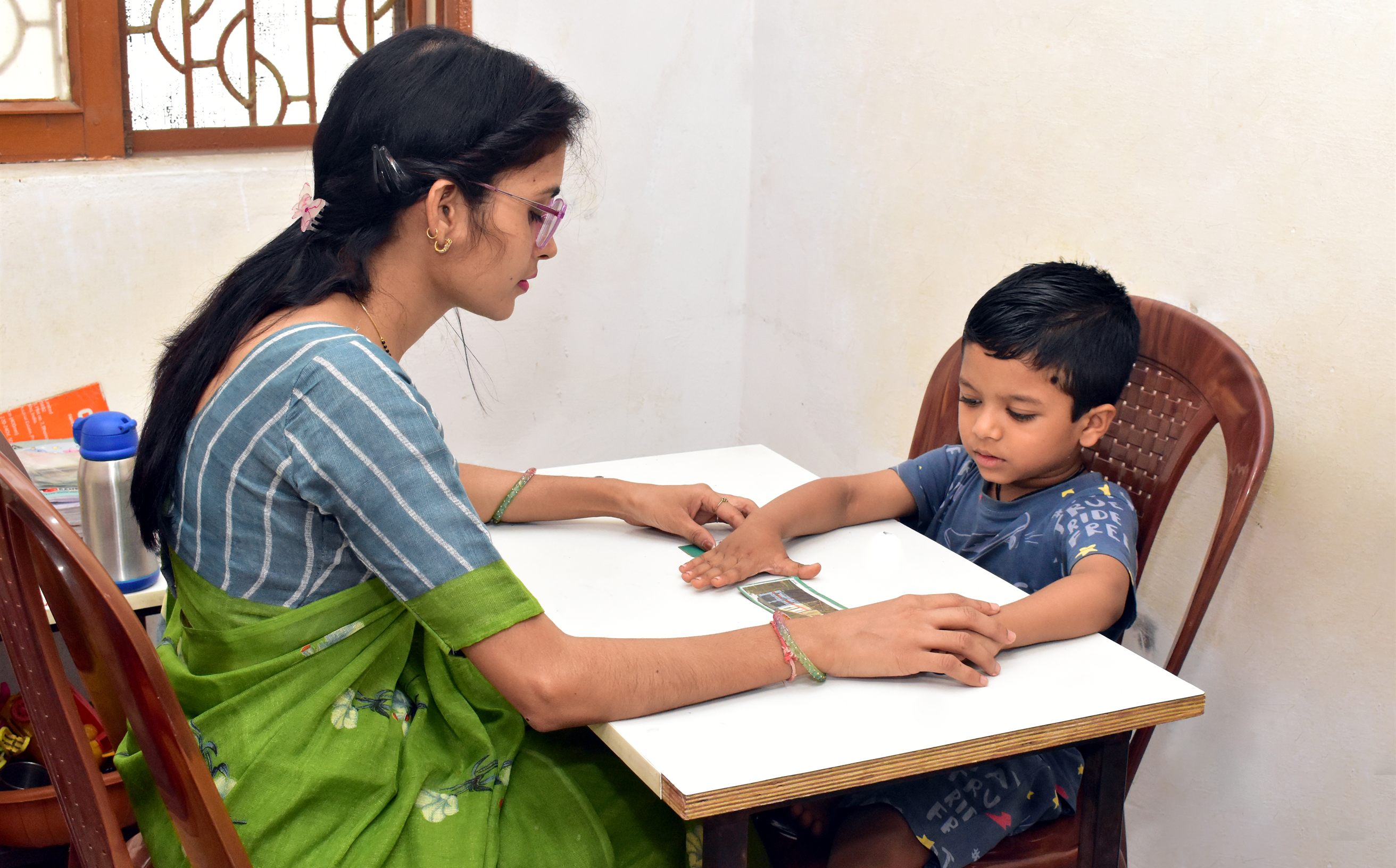
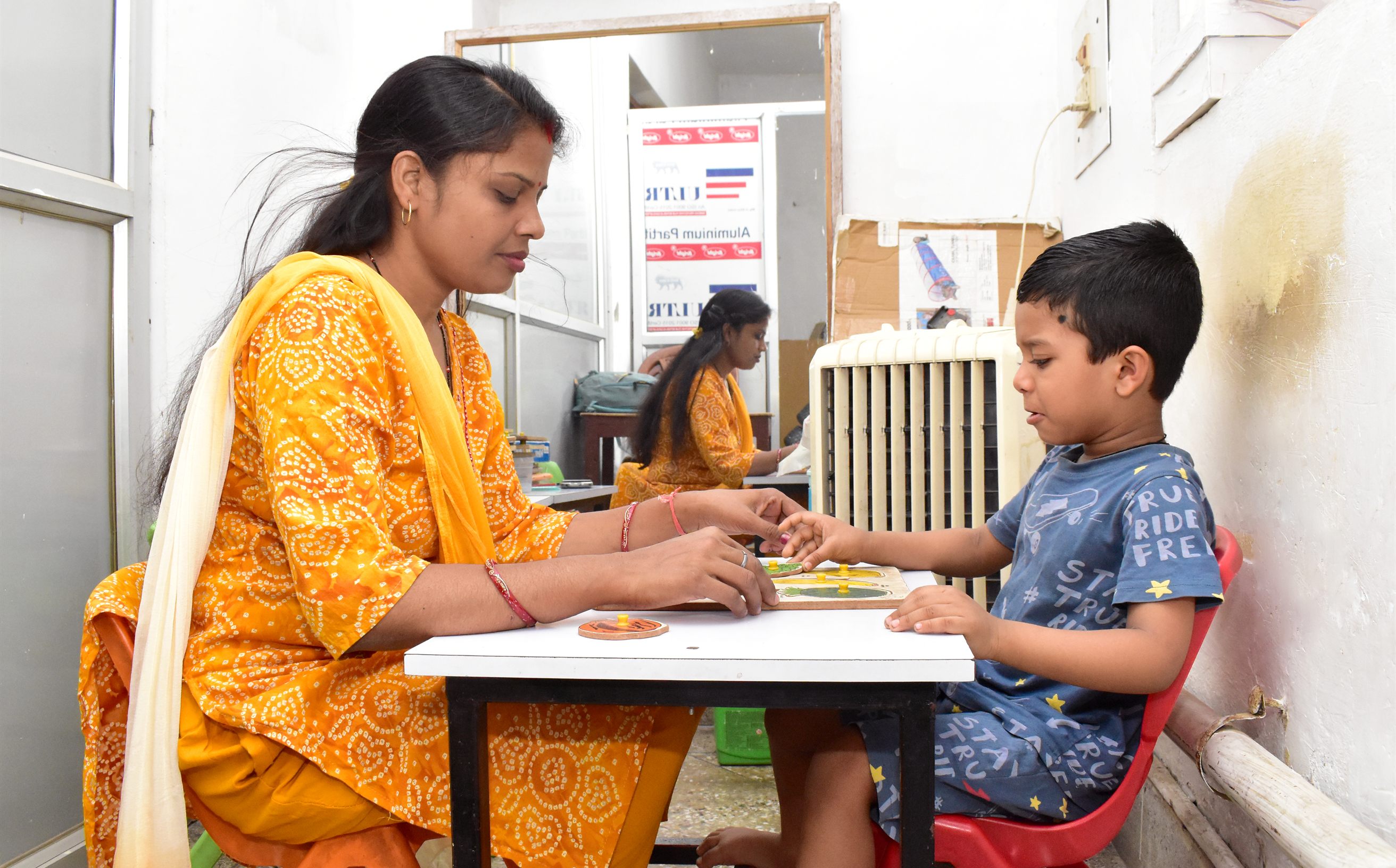
- Set up a small "school table" in one corner of the house.
- Hold a 15-20 minute "school time" daily - sitting, an activity, then a break.
- Slowly increase the duration over weeks.
- Use a school bag at home before school starts. Pack it, unpack it, find lunch in it.
- Practise opening tiffin boxes, water bottles, and Velcro shoes - small failures here cause big distress in school.
Step 3: Use Visual Supports Generously
Visuals are the single most powerful tool for school transitions. They make the abstract concrete. They make change predictable.
The Visual Schedule
Make a simple picture-based schedule of the school day:
- Reach school
- Hang bag
- Circle time
- Activity
- Snack
- Play
- Story
- Mama comes
Show the child this schedule every day before school. Tick off each step as it passes. The schedule lives in their bag or on the classroom wall once school begins.
The Social Story
A social story is a short, simple, illustrated narrative that walks the child through a new experience in advance. For school, it might say: "On Monday, I will go to school. I will wear my uniform. Mama will say goodbye at the gate. My teacher's name is Priya Aunty. She is kind. I will play, eat my snack, and Mama will come back." Read it daily for 4-6 weeks before school starts.
Step 4: Choosing the Right School
This deserves an entire article on its own, but here are the principles that have served the families I've worked with best:
- Talk to the school before you apply. Be honest about your child's diagnosis. A school's response to that conversation tells you almost everything you need to know.
- Look for an inclusive culture, not just an "inclusive" label. Ask: how many children with developmental differences are currently enrolled? What support do they get? Can you observe a class?
- A smaller class size is almost always better - even if the school's reputation is less prestigious.
- Special schools are not failure; mainstream schools are not victory. The right setting depends entirely on your child's profile, needs, and the quality of support available.
- Beware schools that promise "we treat all children the same." Equality and equity are different. Your child needs the latter.
In Varanasi, options have grown noticeably over the last few years. Some mainstream schools have embraced inclusion thoughtfully. Special schools and inclusive classrooms also exist. Visit, ask, and trust your instincts. The school's attitude toward you during these first conversations will mirror its attitude toward your child later.
Step 5: Visit the School Before the First Day
Always, always, always do this. A novel environment is far less stressful when it has been previewed.
- Visit the school at least twice in the weeks before joining.
- Walk the route from gate to classroom. Use the toilet. Sit at the table.
- Take photos and add them to your child's social story.
- Meet the teacher with your child present, even if briefly.
- If possible, attend a half-day or trial day before formal admission.
Step 6: Prepare the School for Your Child
Your child's teacher, however well-intentioned, may have limited training in autism. Help them succeed.
Prepare a simple one-page handout to share with the class teacher, support staff, and where appropriate, the school nurse:
- Your child's name and age.
- What helps your child feel calm.
- Sensory triggers to know about.
- Communication style - verbal, signs, pictures, devices.
- Early signs that your child is becoming overwhelmed.
- What to do if a meltdown occurs.
- Your contact number, and a backup.
Offer to come in once or twice in the first weeks if helpful. Stay accessible. Consistent two-way communication with the teacher is one of the strongest predictors of a smooth school year.
Step 7: Plan the First Week Carefully
The first week sets the tone. Resist the urge to do too much.
- Don't fill the rest of the day with new activities. Therapy hours can stay, but social outings and family functions should be paused.
- Build in extra rest. School is exhausting, even if it looks like "just play" to outsiders.
- Keep meals, sleep, and the rest of the routine identical to before. School is the only new variable.
- Expect regression in some areas - sleep, eating, toilet. This is the brain's way of compensating for the new load. It usually passes within weeks.
Step 8: Decode the Daily Report
If your child cannot tell you about their day, become a good detective. Ask the teacher specific questions, not general ones:
- "How was the morning circle today?" (rather than "How was school?")
- "Did he eat his snack?"
- "How were transitions between activities?"
- "Was anything different from yesterday - visitors, schedule changes, fire drill?"
If your child seems off in the evening, look for a specific event in the day rather than assuming general unhappiness. There is almost always a reason.
Common First-Year Challenges (and What Helps)
"He cries every morning at the gate." Most children adjust within 2-4 weeks. A short, predictable goodbye routine - the same words, the same brief hug, the same teacher receiving the child - works better than long, anxious farewells.
"He won't eat at school." Pack only foods he eats reliably at home. Reduce the volume - half a roti is fine. Hunger will not happen in three hours; food battles can damage school association for months.
"He doesn't have friends." Friendship will come, but it may look different. For many autistic children in early school, parallel play (being near peers without directly interacting) is a developmental success.
"The teacher says he isn't focused." Discuss specifically what is happening. A child who is dysregulated cannot focus. The intervention is regulation, not pressure.
The Long View
School is a long road. The first week is not the test. The first term is not the test. The question that matters is: over months, is my child happy, learning at their own pace, and cared for by people who understand them?
If yes, you are succeeding, even when individual days are hard.
If no, the school is not the right fit, and changing it is not failure. It is parenting.
Whatever path your child takes, your love and informed support are worth more than any school's reputation. Build slowly, expect imperfection, celebrate small wins. Twenty years on, that is still the best advice I have.
Worried about your child's development?
Book a free 30-minute consultation with our specialists. No obligation - just a warm, honest conversation about your child's needs.
Book Free Consultation
Pooja Gupta
Pooja Gupta founded ArambH Autism Centre in 2019 after years of working with children with autism - and after raising one of her own. She is a certified behaviour analyst with over twenty years of clinical and personal experience.