Imagine that the hum of a ceiling fan sounds to you as loud as a passing motorbike. Imagine that the tag on your kurta feels like sandpaper, that fluorescent tube lights flicker visibly in front of your eyes, that the smell of someone's perfume is so strong you can taste it. Now imagine being four years old, unable to explain any of this, and being told to sit still in a busy classroom. This is daily life for many autistic children with sensory processing differences.
What Is Sensory Processing?
Every minute of every day, your brain is sorting an enormous amount of sensory information - sounds, sights, smells, the feeling of your clothes, the temperature of the room, the position of your body in space. For most people, the brain filters this automatically, letting some signals through and quietly muting others. You hear your name across a noisy room but tune out the conversation at the next table.
For autistic children, this filter often works differently. Some signals are amplified to overwhelming levels. Others are dulled and barely register. The result is a nervous system that frequently feels either too much, too little, or both at the same time - which is far more common than parents realise.
The Eight Senses (Yes, Eight)
Most of us were taught five senses in school. The truth is more complex. Occupational therapists work with eight:
- Sight (visual) - light, colour, movement, patterns.
- Sound (auditory) - volume, pitch, multiple sources at once.
- Touch (tactile) - fabric, temperature, light vs. firm pressure.
- Smell (olfactory) - perfumes, foods, the air after rain.
- Taste (gustatory) - flavour, but also food texture and temperature.
- Body position (proprioception) - where your arms and legs are without looking.
- Movement and balance (vestibular) - sensed by the inner ear; affects coordination.
- Internal body signals (interoception) - hunger, thirst, the need to use the toilet, heart rate.
Difficulties can occur in any of these - and most autistic children have a unique mix of over-sensitivities (hyper) and under-sensitivities (hypo) across different senses.
Common Signs of Sensory Differences
Over-responsive (hypersensitive):
- Covers ears at sounds others don't notice - a hairdryer, a vacuum cleaner, a temple bell.
- Refuses certain clothes, especially with tags, seams, or stiff fabric.
- Becomes distressed in crowded markets, malls, or family functions.
- Eats only a few foods, often based on texture rather than flavour.
- Reacts strongly to bright sunlight or fluorescent indoor lights.
Under-responsive (hyposensitive):
- Doesn't seem to feel pain at typical levels - bumps and bruises go unnoticed.
- Doesn't respond to their name even when hearing is fine.
- Seeks intense input - crashing into furniture, jumping, spinning, climbing high.
- Stuffs mouth with too much food, or chews on non-food objects.
Sensory-seeking (a sub-type that often confuses parents):
- Constantly in motion - running, jumping, swinging.
- Loves deep pressure - tight hugs, weighted blankets, being squeezed between cushions.
- Touches everything in reach.
- Loud, high-energy, often misread as "naughty" or hyperactive.
Many children show a combination - for example, hypersensitive to sound but actively seeking deep pressure and movement. This is normal in autism and not contradictory.
Why It Matters Beyond "Quirks"
Sensory differences are not personality traits to manage politely. They are physiological. When a child's nervous system is constantly flooded or starved, several things happen:
- Learning becomes difficult because the brain is occupied with managing input.
- Emotional regulation suffers - small frustrations escalate quickly.
- Social interaction is harder because the child is already at capacity.
- Meltdowns increase, especially after school or in busy environments.
- Sleep, eating, and toileting can all be affected.
Understanding the sensory profile of your child often unlocks behaviour you previously found inexplicable.
What Helps at Home
You don't need expensive equipment or a sensory room. Most of what helps autistic children at home is simple, free, and based on understanding rather than products.
For sound sensitivity
- Keep one room as a calm zone - fan off, no TV, soft lighting.
- Noise-cancelling headphones for outings (markets, weddings, loud restaurants).
- Warn your child before sudden sounds: "I'm about to switch on the mixer in 5 seconds."
For touch sensitivity
- Cut tags out of all clothes. Wash new clothes twice before first wear.
- Choose seamless underwear, soft cotton, loose fits.
- Allow your child to dress themselves where possible - they know what feels tolerable.
For sensory seekers
- Build in heavy work daily - pushing a laundry basket, carrying water bottles, climbing stairs.
- Use a small mini-trampoline or cushion crash zone safely at home.
- Schedule movement before tasks that need focus, not after.
For mealtimes
- Don't force new foods. Offer them on a side plate without expectation.
- Pay attention to texture, temperature, and presentation - these often matter more than flavour.
- Celebrate exposure (smelling, touching, kissing the food) as progress, not just eating.
The Role of Occupational Therapy
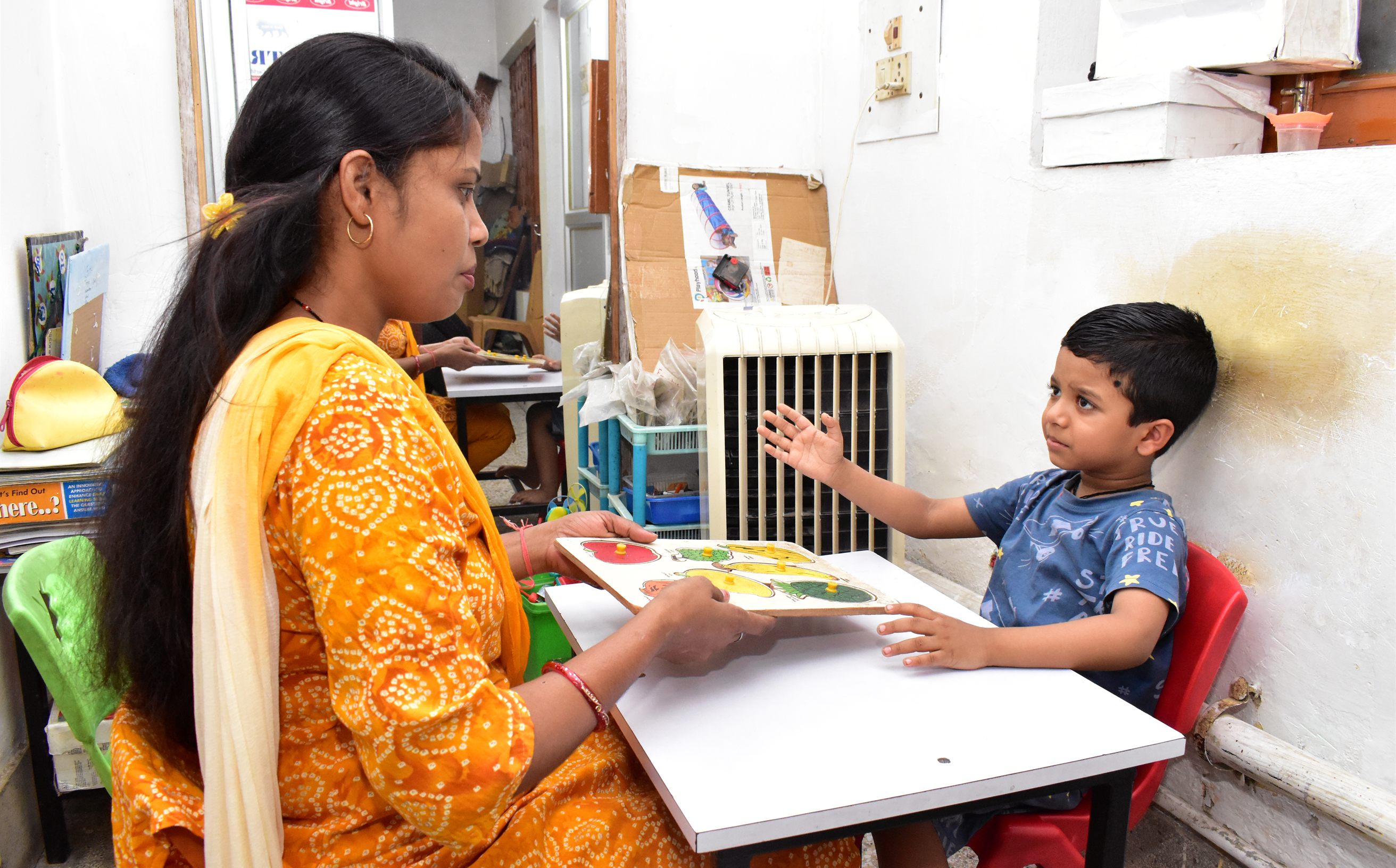
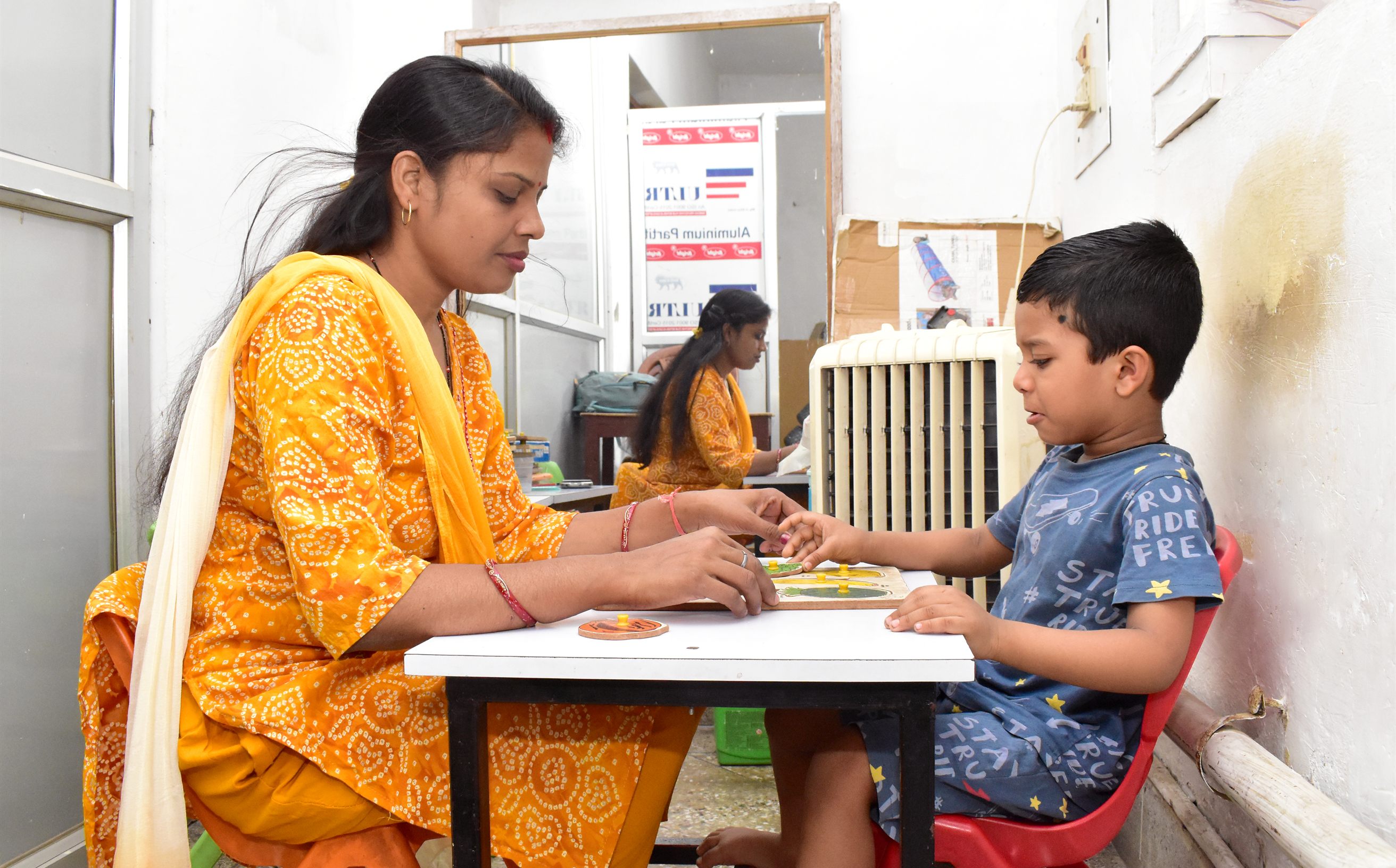
A trained paediatric occupational therapist can map your child's full sensory profile and design a "sensory diet" - a personalised daily plan of activities that keeps the nervous system regulated. Done well, this is not therapy that interrupts life. It is woven into life.
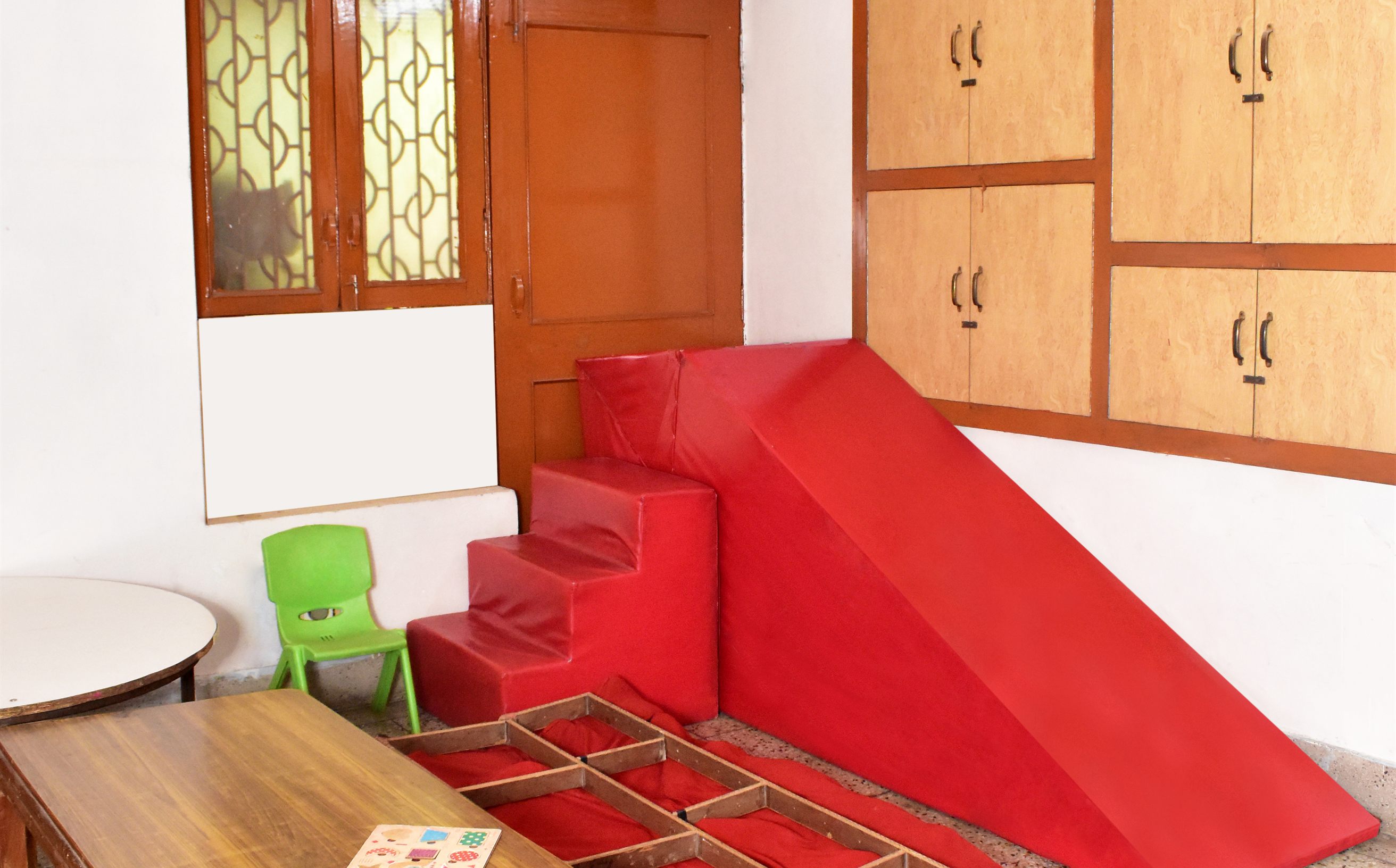
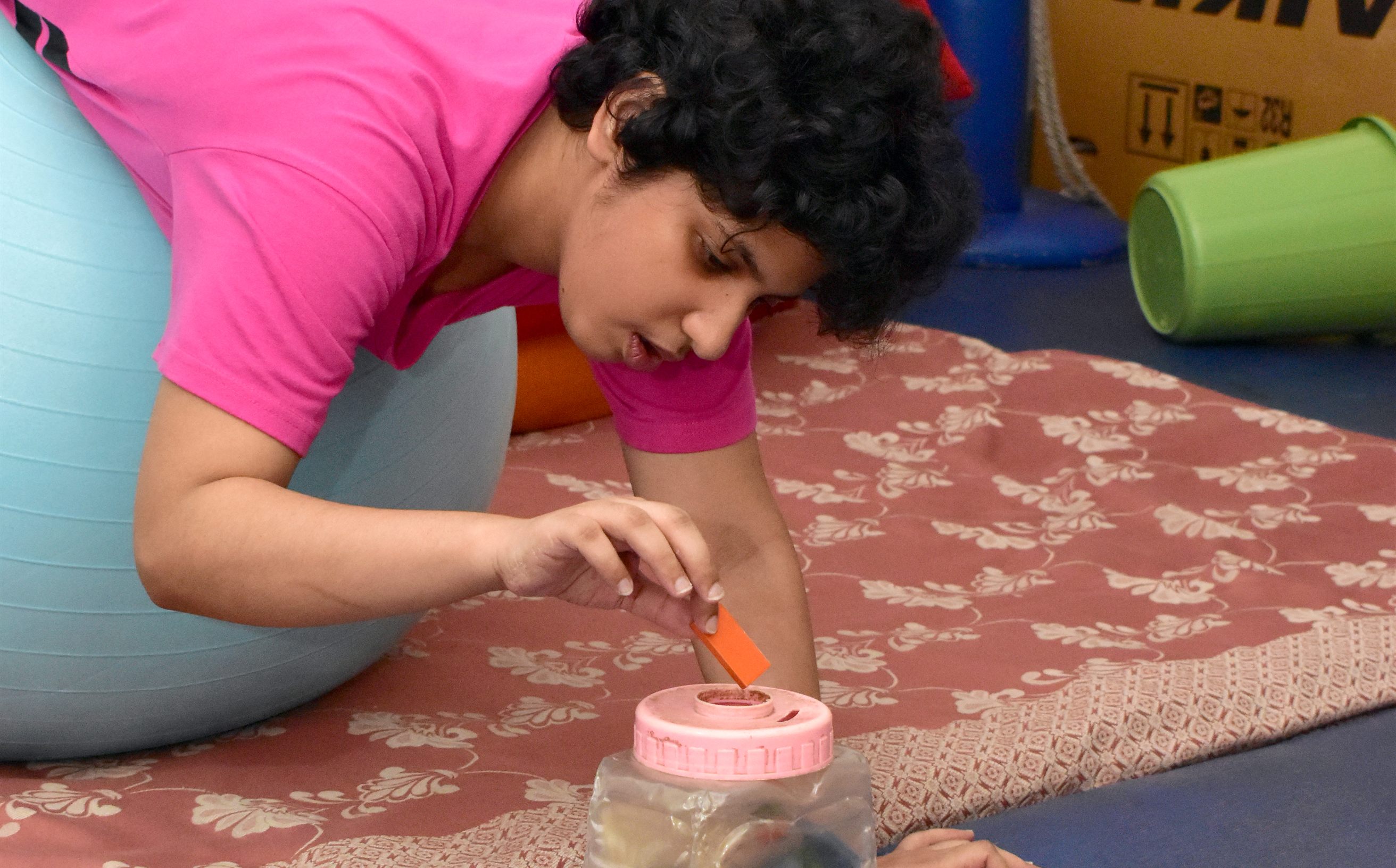
At ArambH, our OT sessions look more like guided play than treatment. Brushing protocols, vestibular swings, weighted lap pads, joint compressions, and oral-motor activities are all introduced thoughtfully and only as the individual child needs them.
What Not to Say
I will end with this, because it matters. Phrases like "Don't be silly," "It's just a small sound," or "Stop being dramatic" are not just unhelpful - they teach the child that their experience is wrong. It isn't. Their brain genuinely receives that input as overwhelming. Believing your child is the first and most important step.
Once they feel believed, they can learn the strategies to cope. And eventually, many autistic children grow into autistic teenagers and adults who understand their own sensory needs beautifully and advocate for themselves with grace.
Your understanding now is the foundation for that future.
Worried about your child's development?
Book a free 30-minute consultation with our specialists. No obligation - just a warm, honest conversation about your child's needs.
Book Free Consultation
Meera Iyer
Meera has been an occupational therapist for over twenty years, with a special focus on sensory integration in children. She trained at NIMHANS and has practised across paediatric clinics in Bangalore, Chennai, and now Varanasi.