One of the first questions almost every parent asks me, often hesitantly, is some version of the same thing: what is this going to cost? It is a fair question, and an uncomfortable one for many clinics to answer honestly. I would rather tell you, in plain terms, what actually drives the cost of autism therapy in India and in Varanasi specifically, so you can plan with clarity instead of guessing.
Why There Is No Single Number
Autism therapy is not one product with one price tag. A child who needs weekly speech therapy looks financially very different from a child on an intensive multi-discipline programme combining speech, occupational therapy, and special education. Cost depends on what your child actually needs, not on a fixed centre rate card, which is exactly why any centre that quotes a number before assessing your child should make you pause.
The Main Cost Drivers
- Type of therapy. Speech therapy, occupational therapy, ABA-based intervention, and special education each require different training and typically carry different per-session rates.
- Hours per week. This is usually the single biggest lever. A child attending two sessions a week will cost far less monthly than a child on an intensive 15-20 hour programme, even at the same per-session rate.
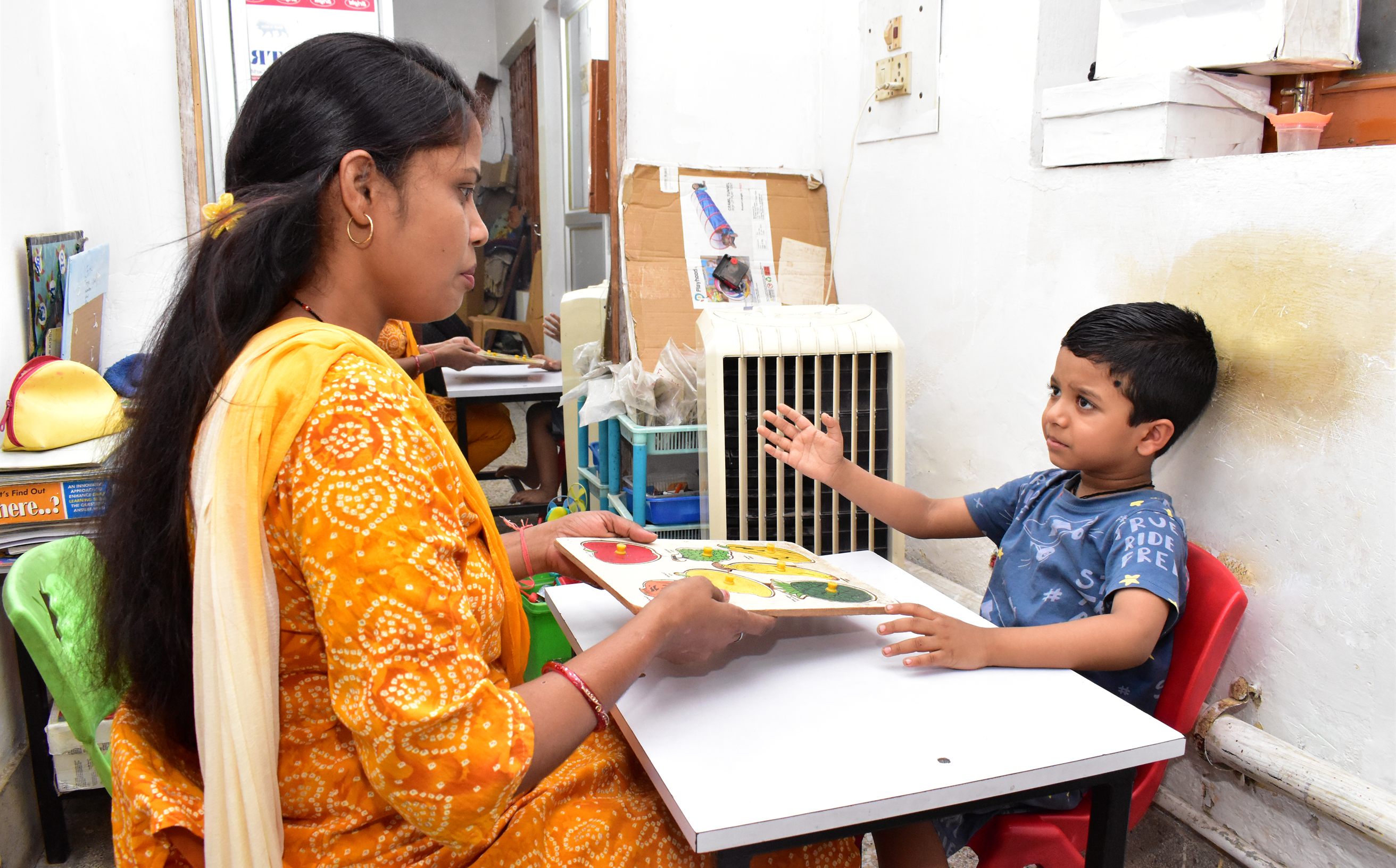
- One-on-one versus group. Individual sessions cost more per hour than group formats like social skills groups, which spread the therapist's time across several children.
- Therapist seniority and qualification. A senior RCI-registered special educator or a supervising clinician generally costs more per hour than a junior therapist, though a child does not always need the most senior person for every session.
- Assessment versus ongoing therapy. The initial assessment is usually a one-time cost. Ongoing therapy is recurring, and it is the recurring cost that most affects a family's monthly budget.
- In-person versus online. Online sessions can reduce travel time and sometimes cost, and are a reasonable option for families outside Varanasi city or for parent coaching sessions.
Private Centres, Government Options, and What Many Parents Miss
Private centres like ArambH offer faster access, smaller caseloads, and individually designed plans, but they are not the only route. Government-run District Early Intervention Centres (DEIC), set up under the Rashtriya Bal Swasthya Karyakram, offer free or heavily subsidised early intervention screening and referral, though waiting times can be longer and intensity is usually lower than a private centre can offer.
One thing many families miss entirely: applying for a UDID (Unique Disability ID) card can unlock government concessions, tax benefits for parents, and priority access to some subsidised schemes, regardless of whether you also attend a private centre. We have written a separate guide on how that process works, because it genuinely changes the maths for many families.
What a Realistic Monthly Plan Might Involve
Rather than a single figure, think in terms of a plan. A young child newly diagnosed might start with two to three sessions a week across speech and occupational therapy, reviewed every few months as goals are met. An older child preparing for school might add special education and a social skills group. Across India, individual therapy sessions commonly range from a few hundred to a few thousand rupees depending on the factors above, and a realistic monthly cost is the sum of session rate multiplied by weekly frequency, not a flat centre fee.
How to Budget Without Guessing
- Start with a proper assessment before committing to any hours. A good centre will recommend a plan based on your child, not sell you a package first.
- Ask for the plan in writing - specific therapies, weekly hours, and goals for the next review period.
- Review every quarter rather than locking into a long-term commitment. Children's needs change, and so should the plan.
- Ask whether a UDID card or any local scheme could offset part of the cost before you finalise your budget.
- Factor in travel time and cost if you are commuting from outside the city, or ask about online session options for parent coaching and follow-ups.
Questions Worth Asking Before You Commit
Before signing up anywhere, I would ask: How many hours are actually recommended for my child, and why? Who will be delivering the sessions, and what are their qualifications? What exactly is included in the fee, assessment, therapy, parent coaching, progress reports? How often will we review and adjust the plan? And is there flexibility to reduce or increase hours as circumstances change?
Want a realistic estimate for your child specifically?
The honest first step is always a free consultation. We assess first and recommend a plan - we do not sell a package before we understand your child's needs.
Book Free Consultation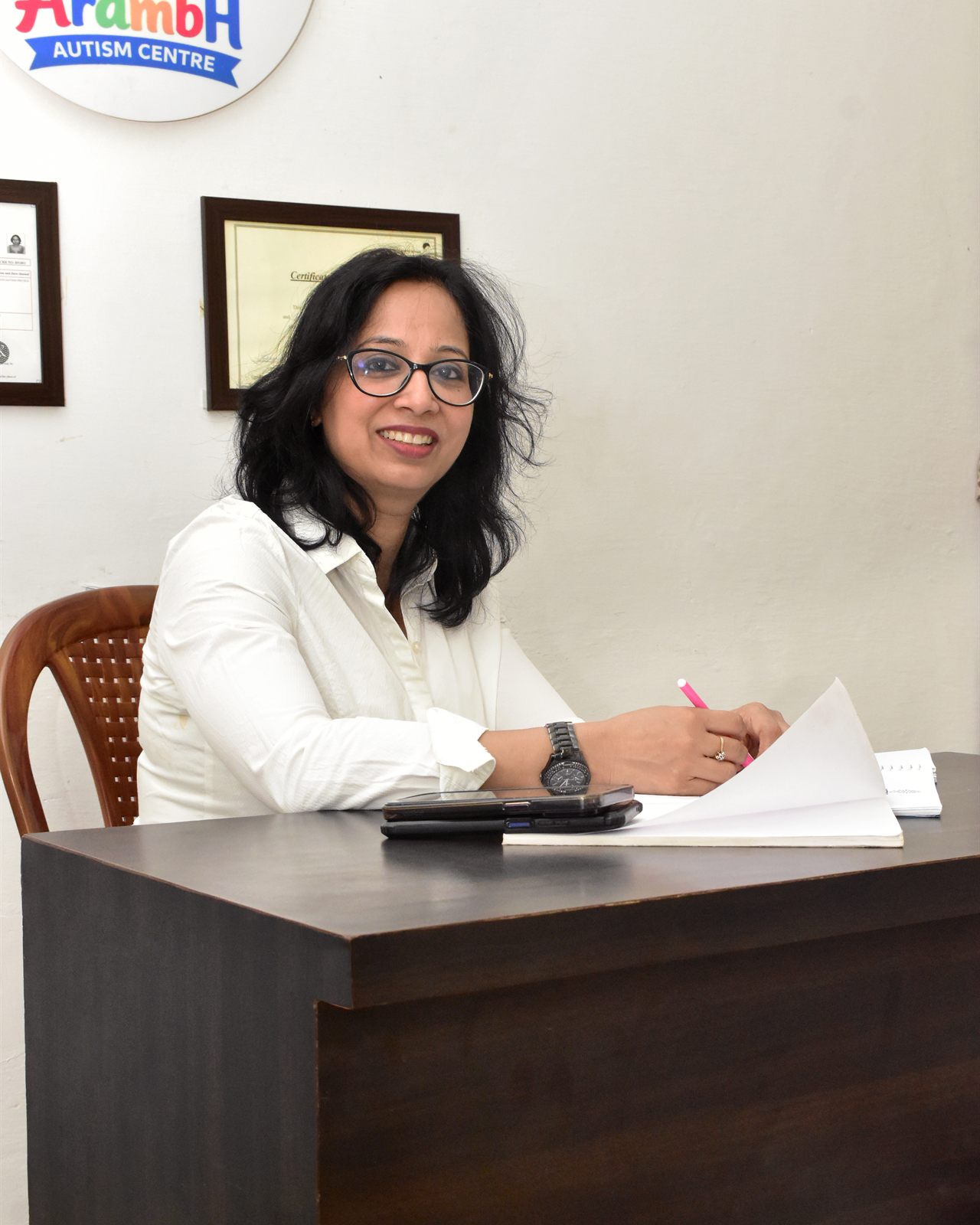
Pooja Gupta
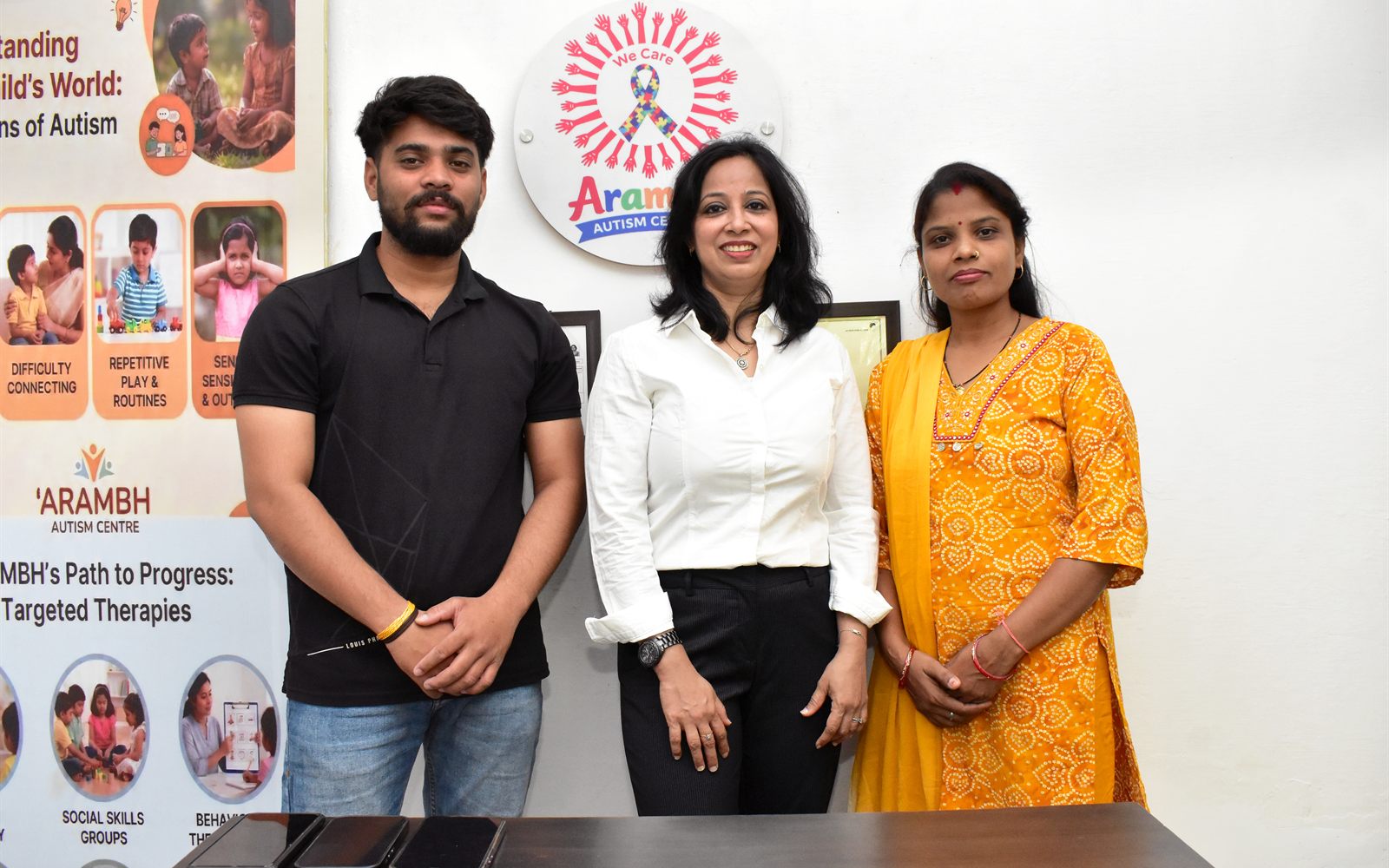
Pooja Gupta is the founder of ArambH Autism Centre and an RCI registered Special Educator (CRR B51893) with 14 years of experience across New Delhi and Varanasi. She holds a Diploma in Special Education (Autism Spectrum Disorder) from IGNOU.