Beyond therapy, one of the most practical things a parent of an autistic child in India can do is apply for a UDID card, the Unique Disability ID. It unlocks concessions, protections, and support that many families never claim, simply because no one explained the process clearly. Here is what I tell parents at ArambH.
What a UDID Card Actually Is
The UDID is a national disability identity card and certificate issued under the Department of Empowerment of Persons with Disabilities, Ministry of Social Justice and Empowerment. It was created to replace the older, state-specific disability certificates with a single, nationally recognised document. Autism spectrum disorder is recognised as a disability under the Rights of Persons with Disabilities Act, 2016, which means autistic children and adults are eligible to apply.
Why It Is Worth Applying
Depending on the assessed disability percentage and the specific scheme, a UDID card can support access to reservation in education and government jobs, travel concessions on certain transport, income tax deductions for parents or guardians under the relevant sections of the Income Tax Act, priority enrolment in some government welfare schemes, and support with assistive devices. Rules and benefits can vary slightly by state and change over time, so it is always worth confirming current details with the relevant department or a tax advisor, but the card itself is the key that opens these doors.
Who Can Apply
Any individual with a certified disability, including autism spectrum disorder, can apply. There is no strict age limit, and parents or guardians apply on behalf of a minor child. Many families apply once a child has a documented diagnosis and some history of assessment or therapy, though this is not a strict legal requirement.
The Process, Step by Step
- Register on the UDID portal. Applications are made online through the national UDID portal. Create an account with basic details.
- Fill in personal and disability details. You will need to upload a passport-size photograph, proof of address, and relevant medical or diagnostic documents.
- Get an assessment appointment. The portal will direct you to a notified government hospital or medical board in your district for an in-person disability assessment.
- Attend the medical board assessment. A panel, usually including a paediatrician or psychiatrist, evaluates the child and determines the disability percentage based on established guidelines.
- Receive the certificate and card. Once the board submits its findings, the UDID certificate is issued and the physical card is generated, which can usually be downloaded and later collected or delivered.
Documents You Will Typically Need
- Aadhaar card of the child (and parent or guardian, if applying on behalf of a minor)
- A recent passport-size photograph
- Proof of address
- Any existing diagnostic or therapy assessment reports, which help the medical board form their evaluation
- Parent or guardian identification, for applications made on behalf of a child
Practical Tips From Experience
Carry any existing assessment or therapy reports from ArambH or any recognised centre to the medical board appointment. Boards often move faster when there is already documented history to review, rather than starting from nothing. Processing times vary considerably from district to district, so plan with patience and follow up periodically rather than assuming silence means a problem. Once issued, keep both a digital copy and a printed copy of the card, since schools, employers, and government offices often ask for it repeatedly over the years.
A Note on Timing
There is no need to wait for a particular age or stage of therapy to apply. The UDID process runs independently of which centre or therapy approach you choose, and applying earlier simply means the benefits are available to you sooner. It is one of the few steps in this entire journey that costs nothing but time and paperwork, yet makes a genuine practical difference to a family's life.
Need help with the reports for your application?
If you need assessment or therapy reports from us to support a UDID application, just ask during a consultation. We are happy to help.
Book Free Consultation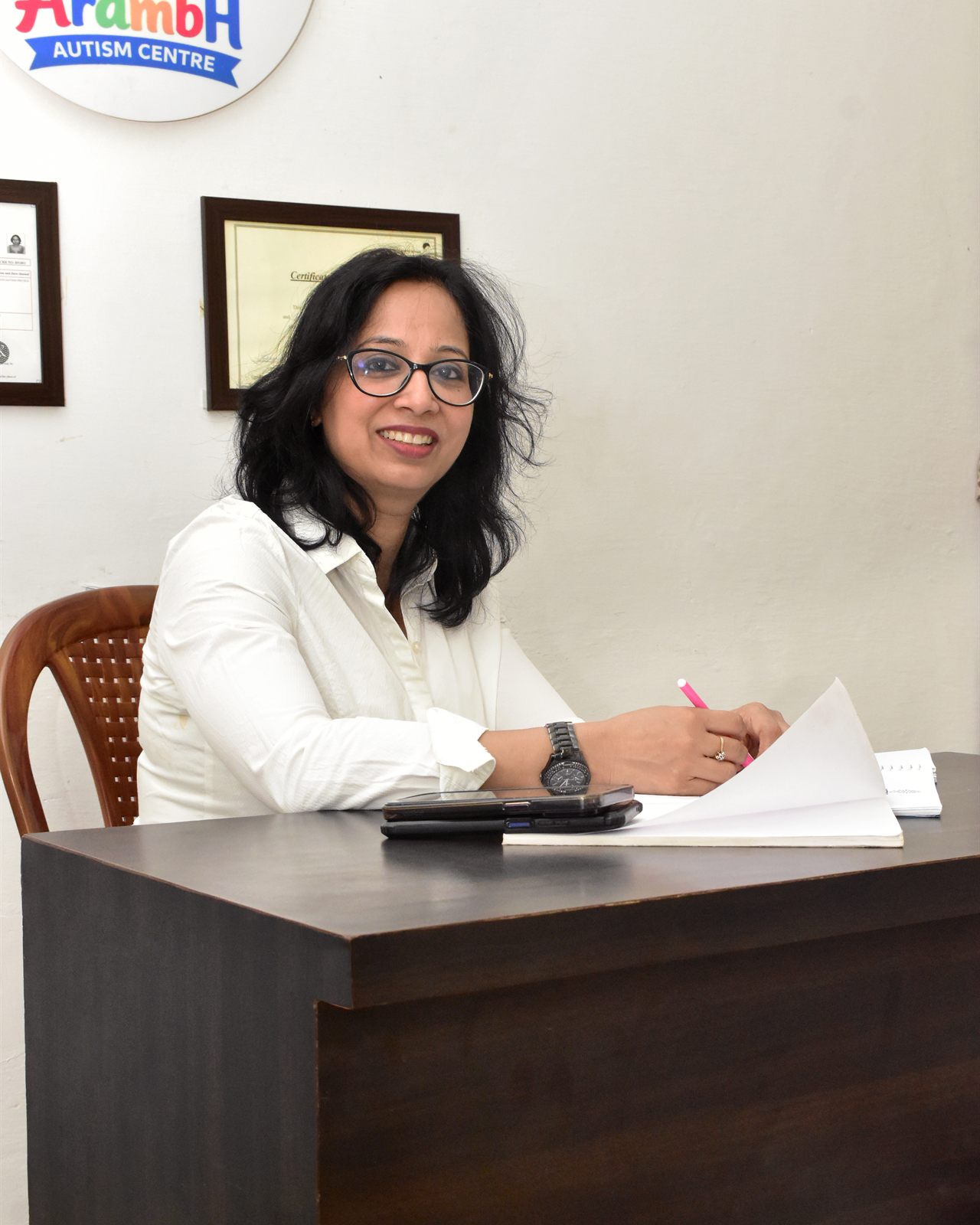
Pooja Gupta
Pooja Gupta is the founder of ArambH Autism Centre and an RCI registered Special Educator (CRR B51893) with 14 years of experience across New Delhi and Varanasi. She holds a Diploma in Special Education (Autism Spectrum Disorder) from IGNOU.