If you are reading this, you have probably already spent hours searching online, scrolled through a handful of different centres' photographs, and maybe visited one or two in person. Choosing where your child will spend hours each week, in the hands of near strangers, is one of the heaviest decisions a parent makes. Here are the seven questions I tell every friend to ask, at ArambH or anywhere else.
1. Is the Lead Therapist or Educator Actually Registered?
In India, special educators working with children with disabilities should be registered with the Rehabilitation Council of India (RCI), and should be able to give you their CRR registration number without hesitation. You can verify this directly through the RCI. A centre that is vague about who is actually supervising your child's programme is a centre to be cautious of.
2. Will You See a Written, Individualised Plan?
Every child's needs are different, and a serious centre will tell you so by producing a specific plan for your child - goals, methods, and a review timeline - rather than a generic brochure of services. Ask to see what this would look like before you commit to anything.
3. How Is Progress Measured and Shared With You?
You should be able to see data, not just hear reassurance. Ask how often you will receive updates, whether progress is tracked against specific goals, and whether you will be shown graphs or notes, not just told "he is doing well."
4. Are Parents Treated as Partners?
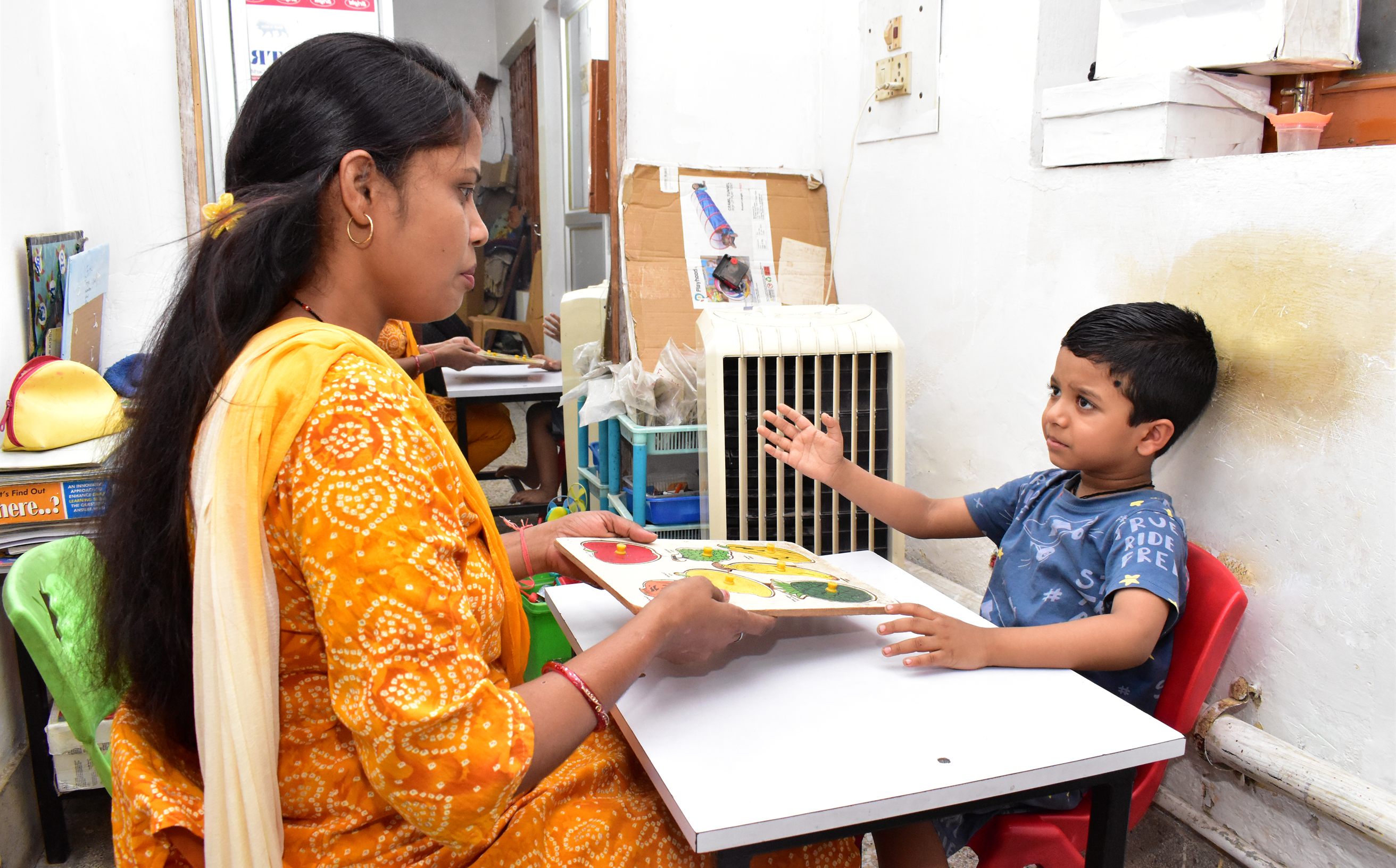
The strongest outcomes happen when what is practised in the therapy room continues at home. Ask whether you will be coached directly, included in sessions periodically, and given concrete strategies to use between visits, rather than being kept in a waiting area throughout.
5. What Happens When Your Child Has a Hard Day?
Every child has difficult days. Ask directly how the centre handles meltdowns or refusal. The answer should describe understanding the trigger and adjusting calmly, never force, punishment, or "we keep going regardless."
6. Is the Environment Genuinely Child-Friendly?
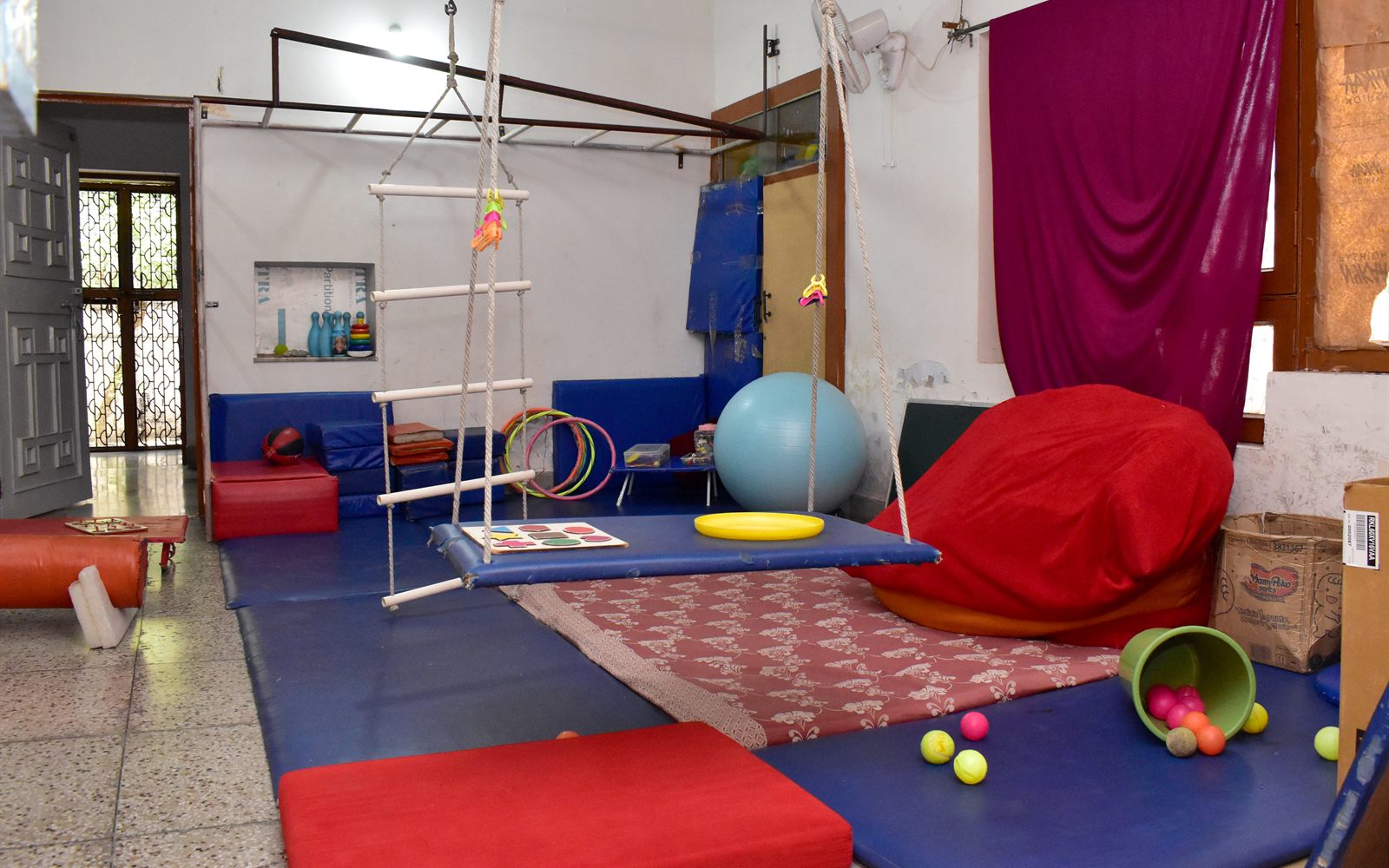
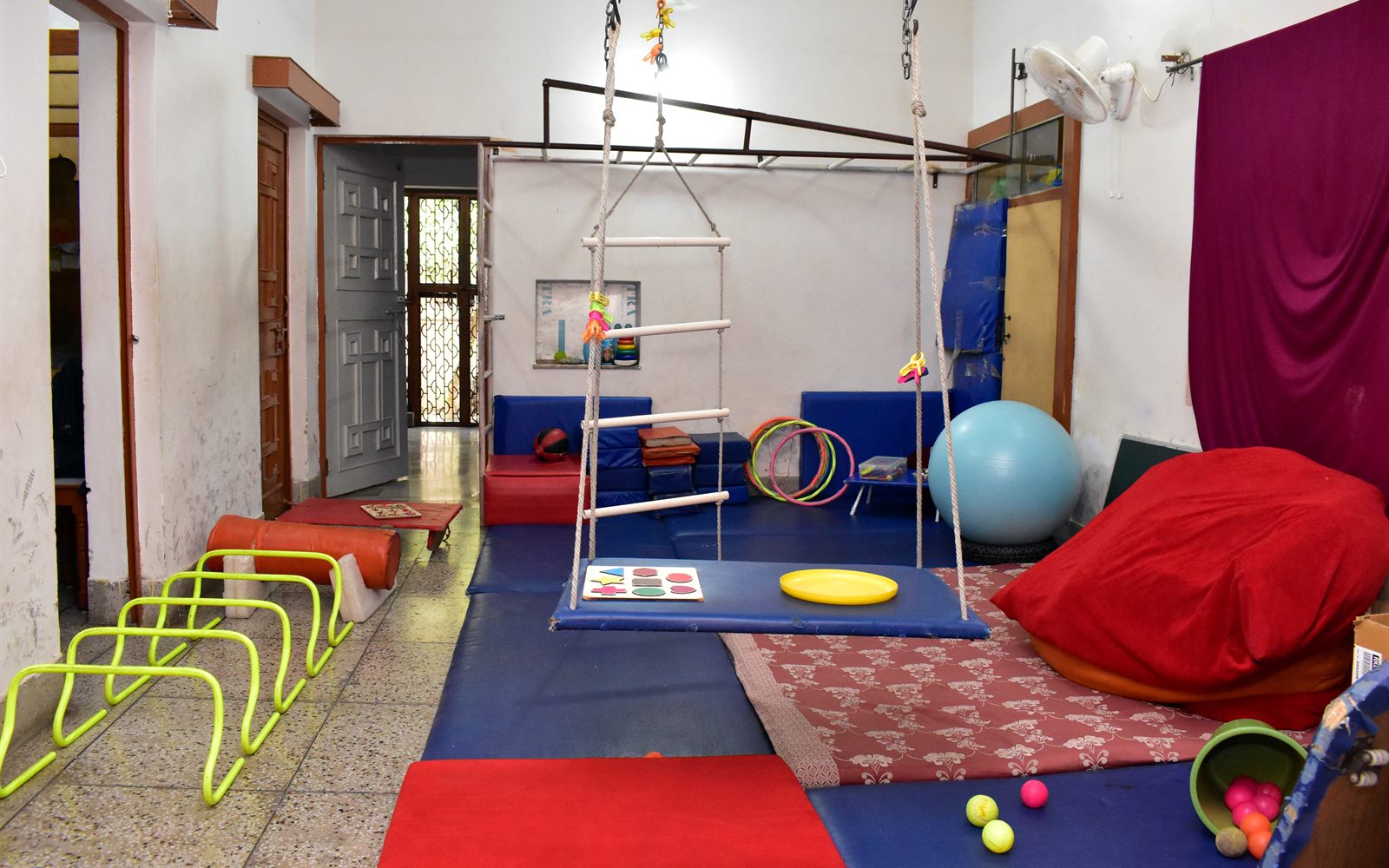
Visit in person if you possibly can. Look at whether the space is calm, bright without being overwhelming, and organised for sensory comfort, not just photogenic. Ask to see the actual room your child would be in, not only a reception area.
7. What Is the Realistic Time Commitment, and Is It Flexible?
Children's needs change as they grow. Ask whether the programme can scale up or down, whether you are locked into a long-term package, and how often the plan is revisited. Flexibility matters as much as intensity.
Red Flags Worth Walking Away From
- Any promise of a "cure" for autism, which is not how autism works.
- A fixed package sold before your child has even been assessed.
- Reluctance to let you observe part of a session or visit the actual therapy space.
- No clarity on who is RCI registered and who is not.
A Practical Visit Checklist
- Ask to see the therapy room, not just the reception.
- Ask to sit in on part of a session, or watch through a window if sessions are in progress.
- Ask what a difficult day looks like and how the team responds.
- Ask for the qualifications and RCI registration of whoever will actually work with your child.
- Ask how and when the plan will be reviewed, and what happens if it is not working.
Whatever you decide, trust the centre that answers these questions calmly and specifically over the one that answers with reassurance alone.
Come and see our space for yourself
We would rather you visit, ask hard questions, and decide with confidence than take our word for it. Book a free consultation and walk through ArambH in person.
Book Free Consultation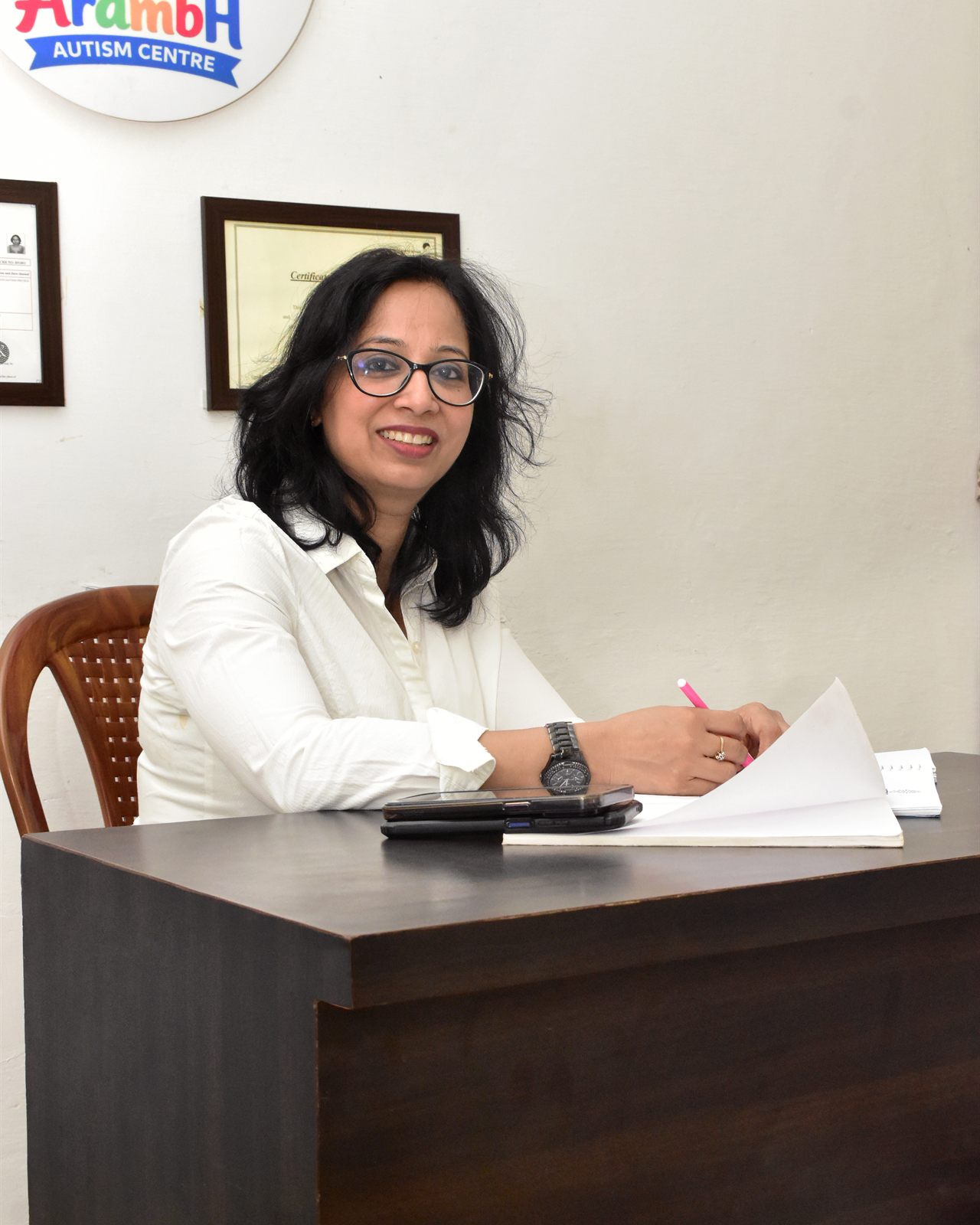
Pooja Gupta
Pooja Gupta is the founder of ArambH Autism Centre and an RCI registered Special Educator (CRR B51893) with 14 years of experience across New Delhi and Varanasi. She holds a Diploma in Special Education (Autism Spectrum Disorder) from IGNOU.